EU Holds More Power Than It Realizes in Russia Dialogue
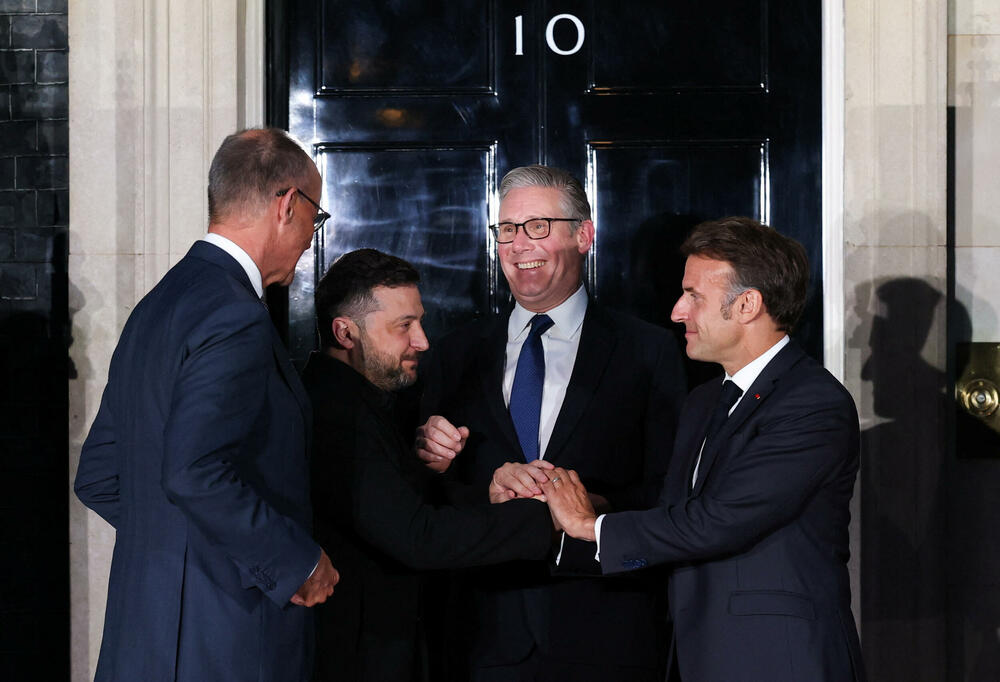
The European Union possesses greater influence in its dialogue with Russia than it currently acknowledges. Europe must project an image of absolute strength and assert its right to a veto over any significant agreements reached between the United States and Russia. This assertion of power is crucial for the EU to effectively shape its foreign policy and protect its interests on the global stage. By recognizing and utilizing its inherent leverage, the EU can ensure that its perspective is central to major geopolitical decisions involving Russia and the US. The statement emphasizes the need for a unified and confident European approach to international relations, particularly concerning its dealings with major global powers.
This perspective suggests that the EU's strategic position vis-à-vis Russia and the US is stronger than often perceived. The emphasis on a 'veto right' over US-Russia deals highlights a desire for greater European autonomy in foreign policy, particularly concerning security and economic interests that directly impact the continent. From a systemic viewpoint, this reflects a recurring tension in transatlantic relations: the degree to which European allies should independently shape their own security and foreign policy architectures, rather than solely aligning with US strategic objectives. The call for 'absolute strength' can be interpreted as a push for enhanced EU defense integration and a more cohesive geopolitical stance, aiming to mitigate potential future geopolitical realignments or unilateral decisions by major powers that could disadvantage Europe.
AI-generated to prompt reflection — not editorial opinion, not advice, not a statement of fact. How this works.