EU household AC energy use nearly doubled in six years; Romania sees slight rise
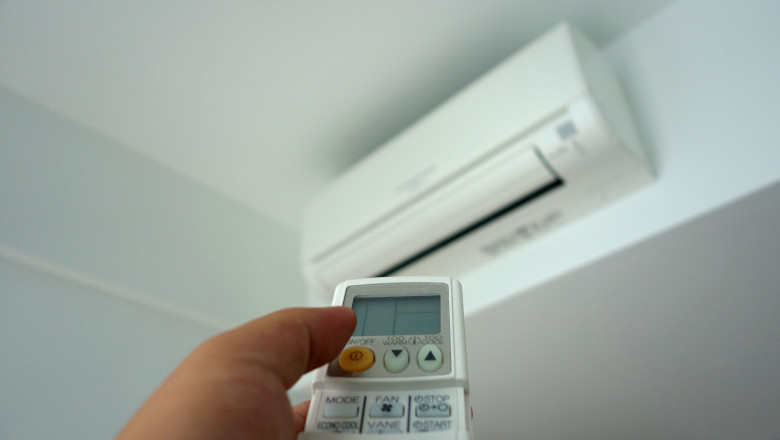
Household energy consumption for air conditioning across the European Union has nearly doubled between 2018 and 2024. According to data released by Eurostat on Wednesday, this usage reached 80,400 terajoules (TJ) over the six-year period. This significant increase reflects a growing reliance on cooling systems within homes throughout the bloc. In parallel, Romania also experienced an increase in energy consumption for residential cooling. The country's usage rose from 1,045 TJ in 2018 to 1,137 TJ in 2024. While Romania's growth is less dramatic than the EU average, it indicates a similar trend towards greater adoption of air conditioning. The data highlights the expanding energy demands associated with maintaining comfortable indoor temperatures in European households.
The near doubling of EU household energy consumption for air conditioning between 2018 and 2024, reaching 80,400 TJ, signals a significant shift in residential energy demand patterns. This trend is driven by increasing temperatures, urbanization, and a growing consumer preference for climate-controlled environments. Romania's more modest, yet still upward, consumption (from 1,045 TJ to 1,137 TJ) suggests that while adoption is less widespread or intense than in some other member states, the underlying drivers are present. From a systemic perspective, this escalating demand for cooling, particularly during warmer months, poses challenges for energy grids, potentially increasing peak load requirements and straining supply infrastructure. Future energy policy and infrastructure planning must account for this trajectory, exploring options for more energy-efficient cooling technologies, smart grid integration, and diversified renewable energy sources to meet this growing demand sustainably and mitigate potential energy security risks.
AI-generated to prompt reflection — not editorial opinion, not advice, not a statement of fact. How this works.