EU Investigates Peking Duck Imports, Signaling Potential Trade Tensions with China
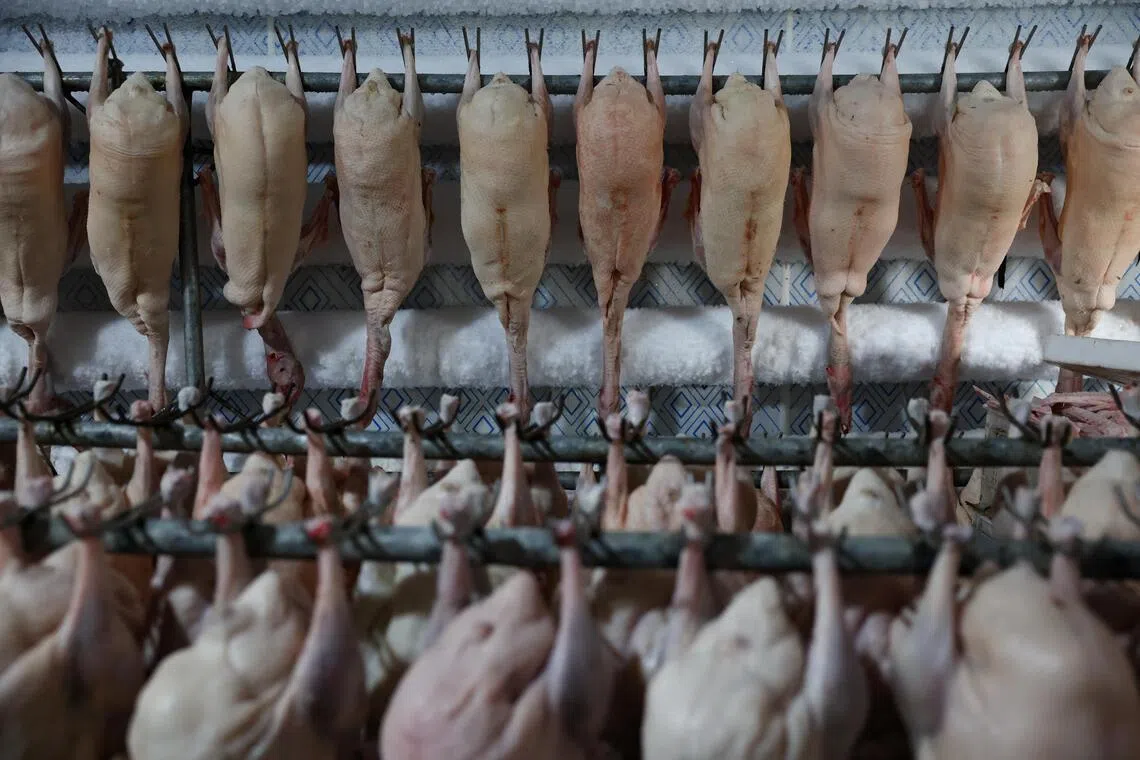
The European Union has launched an investigation into the import of Peking duck, a move that could signal further trade disputes between the bloc and China. This probe is expected to last approximately one year, indicating a thorough review process. The investigation's focus on a specific food product suggests a potential examination of trade practices, subsidies, or other market access issues. Such inquiries often precede the imposition of tariffs or other trade barriers if unfair practices are identified. This development follows a series of recent trade actions and investigations initiated by the EU concerning various Chinese goods and industries. The outcome of this investigation could have implications for the broader EU-China trade relationship, potentially leading to another significant trade shock. Both sides will likely monitor the proceedings closely as they unfold over the coming twelve months.
The EU's investigation into Peking duck imports, while seemingly niche, reflects a broader pattern of increased scrutiny over trade practices with China. This probe may serve as a signal of the EU's intent to address perceived imbalances or unfair competition across various sectors, potentially leveraging trade policy as a tool for broader geopolitical and economic objectives. The year-long timeline suggests a deliberate and comprehensive approach, aiming to build a robust case based on market dynamics and trade regulations. This strategic use of trade investigations could shape future bilateral relations, prompting China to reassess its export strategies and potentially leading to retaliatory measures or negotiations aimed at de-escalating tensions.
AI-generated to prompt reflection — not editorial opinion, not advice, not a statement of fact. How this works.