EU Mandates AI Content Labeling: New Rules and Exemptions Take Effect
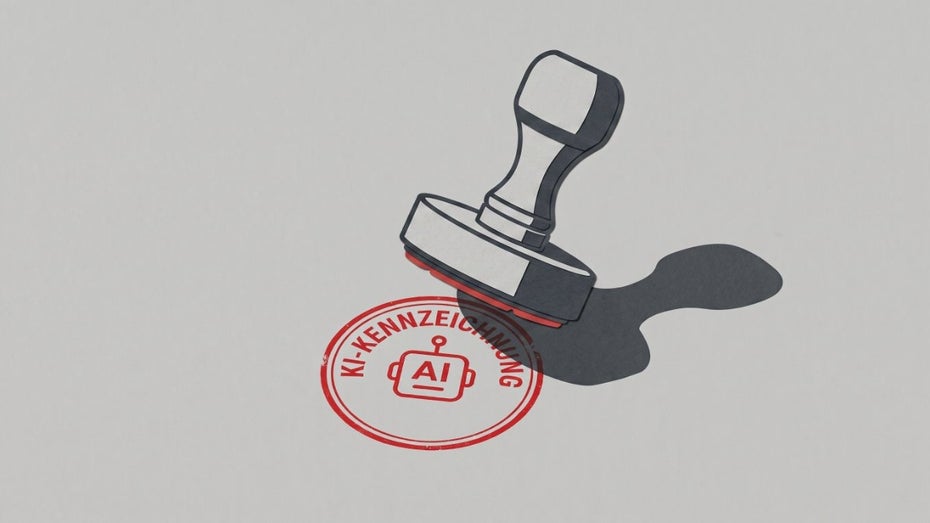
A new European Union regulation requiring the labeling of AI-generated content has officially come into force. Under specific circumstances, content created by artificial intelligence must now be clearly marked. The new rules outline precisely when this labeling is necessary, detail which types of content are exempt from this requirement, and specify the penalties for non-compliance. This legislation aims to increase transparency regarding the origin of digital content, allowing users to distinguish between human-created and AI-generated material. The scope of the regulation is designed to address the growing prevalence of AI in content creation across various platforms. Further details on the implementation and enforcement of these rules are expected to be provided. The directive seeks to foster trust and accountability in the digital information landscape.
The EU's AI content labeling mandate introduces a significant regulatory framework for the burgeoning generative AI sector. This policy addresses the critical need for transparency and user awareness in an era where AI can produce highly realistic synthetic media. By requiring clear labeling, the EU aims to mitigate potential misinformation and manipulation, fostering a more informed public discourse. The effectiveness of this regulation will depend on robust enforcement mechanisms and the adaptability of AI developers to comply with evolving standards. Future considerations may involve harmonizing these rules with international standards and addressing the challenges of detecting sophisticated AI-generated content that attempts to circumvent labeling requirements.
AI-generated to prompt reflection — not editorial opinion, not advice, not a statement of fact. How this works.
