EU Mandates Right to Repair for Appliances and Smartphones
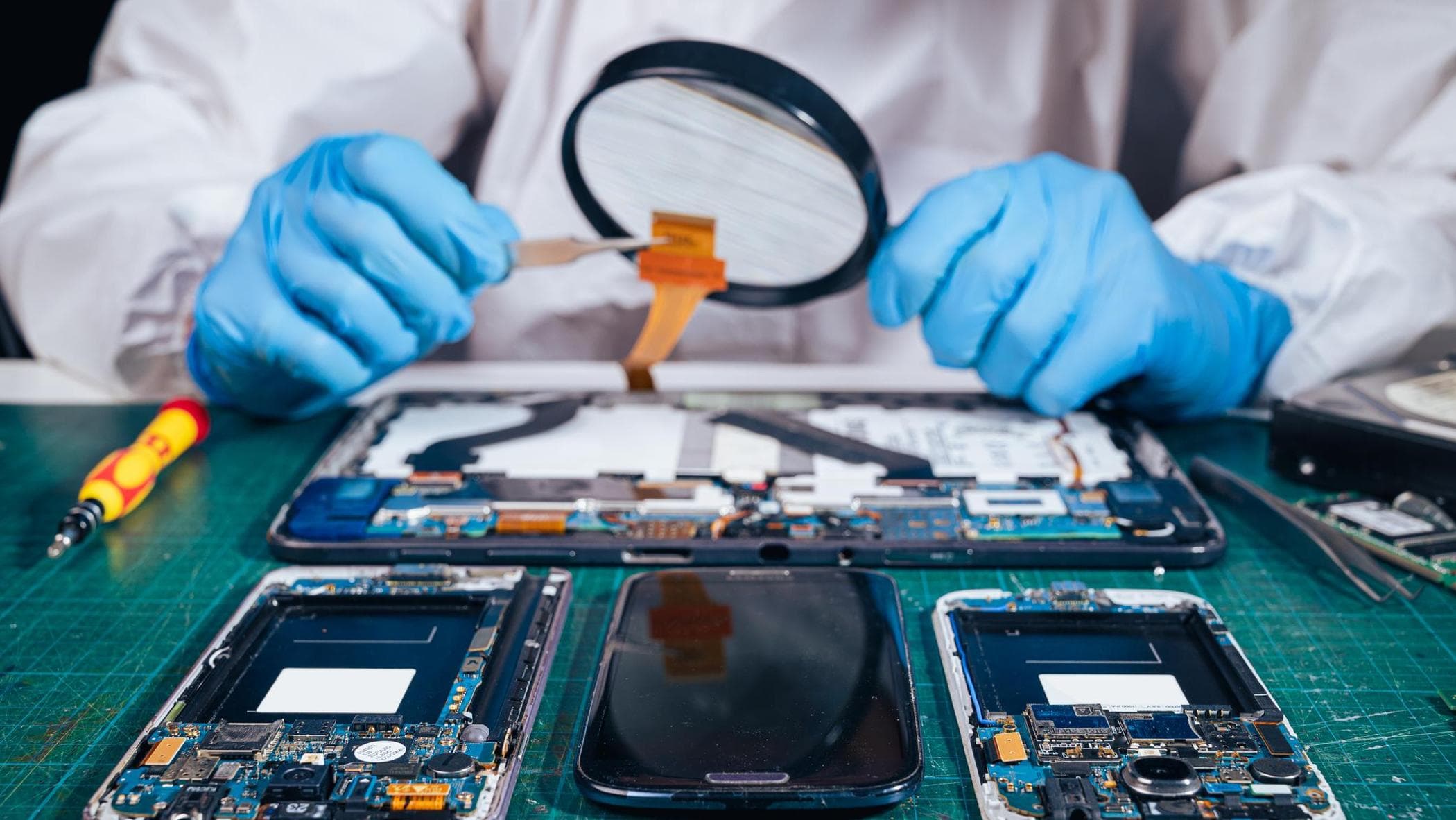
The European Union has introduced new regulations granting consumers and independent repair shops the right to repair electronic devices. Manufacturers are now obligated to service technically repairable appliances and smartphones. This includes providing spare parts and repair manuals that are accessible not only to authorized service centers but also to independent laboratories. The primary objectives of this directive are to reduce waste and environmental impact, decrease landfill burden, and lower costs for households. Furthermore, the regulations aim to combat planned obsolescence, a practice where products are designed to become outdated or non-functional after a certain period, encouraging more frequent purchases.
This EU directive addresses systemic inefficiencies in product lifecycles by establishing a framework for repairability. By mandating access to parts and manuals for independent repairers, the EU aims to foster a more competitive repair market, potentially lowering consumer costs and extending product longevity. This policy shift challenges traditional business models reliant on high sales volumes driven by planned obsolescence. The long-term impact will depend on the enforcement mechanisms and the industry's adaptation to these new governance standards, influencing circular economy principles and consumer behavior towards sustainability.
AI-generated to prompt reflection — not editorial opinion, not advice, not a statement of fact. How this works.