EU Meeting on Ceuta Crisis: Spain Rejects Italy's Deportation Center Proposal
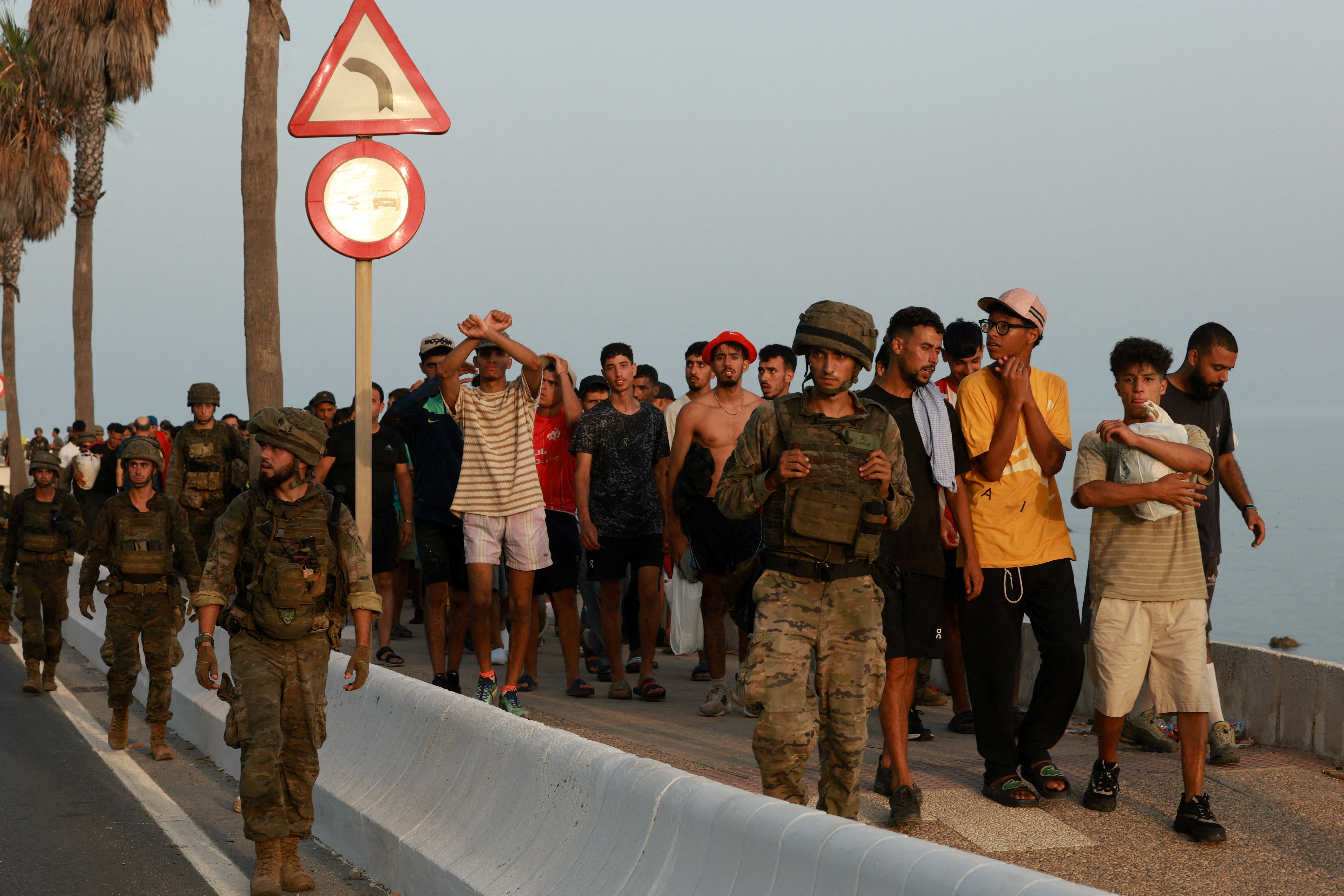
During a European Union meeting on the migrant crisis in Ceuta, Spain's Interior Minister Fernando Grande-Marlaska opposed Italy's proposal to fund deportation centers in third countries for illegal immigrants. The meeting was convened following a surge of tens of thousands of African migrants who entered the Spanish enclave of Ceuta from Morocco, creating a political crisis within the EU. Spain reported that 72,000 Africans entered Ceuta illegally during the crisis, with 70,000 already returned to Morocco. The incident resulted in 75 deaths, primarily from drowning in the Mediterranean Sea. EU Commissioner for Home Affairs and Migration, Magnus Brunner, stated that member states expressed solidarity with Spain and confirmed that no migrants from Ceuta reached mainland Europe, attributing the incident to human trafficking networks and social media disinformation campaigns. Denmark, which had previously criticized Spain's handling of the crisis, expressed satisfaction with the Spanish government's response. The crisis also highlighted a humanitarian impasse, with an estimated 862 unaccompanied migrant children in Ceuta under special legal protection, overwhelming reception centers. Italy temporarily suspended free movement within the Schengen Area with Spain, a move criticized by Spanish Prime Minister Pedro Sánchez as selfish and polarizing. European Commission President Ursula von der Leyen acknowledged Spain's efficient response and advocated for stronger EU external border enforcement, including increased surveillance, physical barriers, and Frontex support. The situation in Ceuta has been noted to bolster anti-immigration rhetoric and empower far-right parties in Europe and the US, as images of migrant desperation are politically exploited.
The Ceuta migrant crisis and subsequent EU meeting reveal systemic challenges in managing irregular migration and inter-state cooperation. Italy's proposal for third-country deportation centers, while potentially addressing immediate containment, raises complex legal and ethical questions regarding international refugee law and the outsourcing of asylum responsibilities. Spain's opposition suggests a preference for alternative solutions, possibly focusing on border management and returns within existing frameworks. The incident underscores the vulnerability of external EU borders and the role of human trafficking networks, amplified by digital disinformation, in exacerbating migratory pressures. The political fallout, including Italy's Schengen suspension and the emboldening of anti-immigration sentiment, indicates a fragmentation of solidarity within the EU. Future policy must balance border security with humanitarian obligations, considering the long-term integration and protection needs of vulnerable populations, and addressing the root causes of migration rather than solely focusing on containment measures.
AI-generated to prompt reflection — not editorial opinion, not advice, not a statement of fact. How this works.
