EU-Mercosur Deal Rejection Would Have 'Enormous Consequences' for Europe, Says Lubetkin
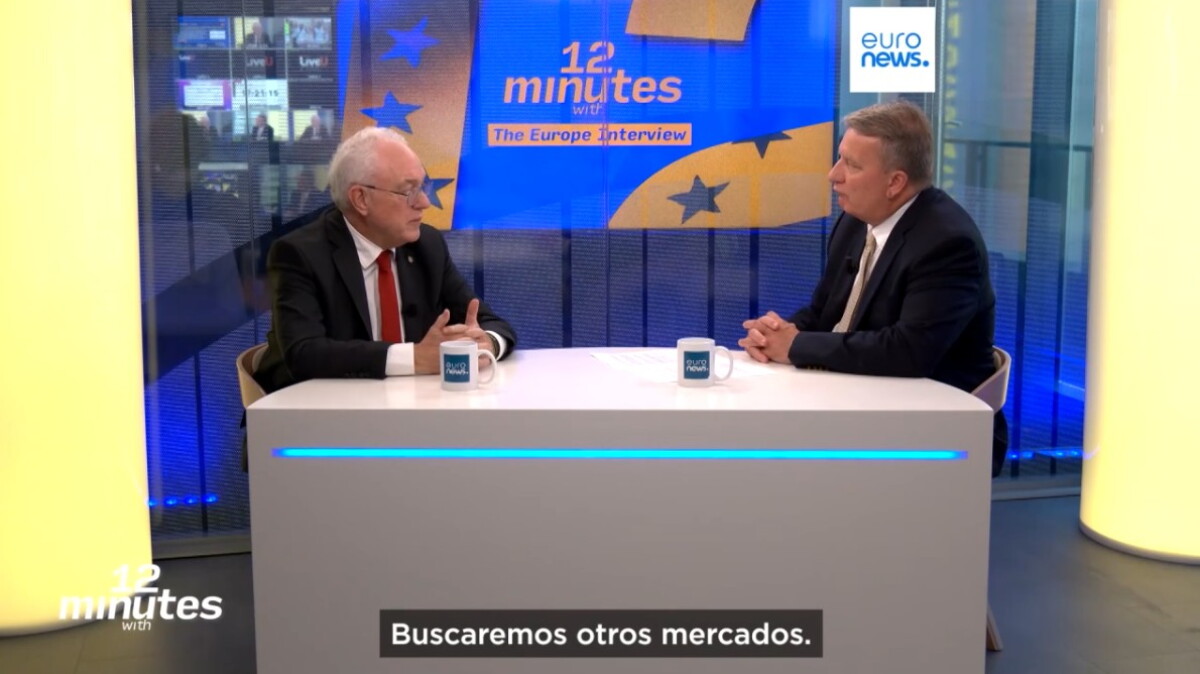
Uruguayan Foreign Minister Omar Paganini has stated that rejecting the European Union-Mercosur trade agreement would carry "enormous consequences" for Europe. He made these remarks in response to the risk of stagnation in the ratification of the pact, addressing Uruguay's international trade strategy. Paganini emphasized that Uruguay is prepared to pursue other trade agreements if the EU-Mercosur deal falters. He noted that Uruguay has already signed agreements with China and is in talks with Turkey and other nations. The minister highlighted that Uruguay's commitment to sustainability and environmental standards, as stipulated in the Mercosur agreement, is unwavering. He asserted that Uruguay would not compromise on these principles, even if it meant pursuing alternative trade partnerships. Paganini's comments underscore Uruguay's proactive approach to diversifying its trade relationships amidst global uncertainties and potential protectionist trends.
The potential rejection of the EU-Mercosur trade agreement presents a complex geopolitical and economic juncture. From a systemic perspective, the delay in ratification highlights the growing divergence between established trade blocs regarding regulatory standards, particularly concerning environmental and social governance. For Europe, failing to ratify this agreement could signal an inward turn, potentially weakening its global trade influence and economic competitiveness against blocs that embrace more expansive trade frameworks. Uruguay's stated readiness to pursue alternative agreements demonstrates a pragmatic response to potential trade isolation, emphasizing the increasing agency of smaller economies in shaping their international economic destinies. This situation underscores the evolving nature of global trade negotiations, where non-economic factors are becoming increasingly significant drivers of policy decisions.
AI-generated to prompt reflection — not editorial opinion, not advice, not a statement of fact. How this works.