EU Ministers Back Spain's Actions in Ceuta After Initial Delays
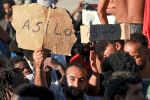
European Union interior ministers collectively praised Spain's actions during a special meeting concerning the situation in Ceuta. This endorsement came after a delay, suggesting initial hesitation or a need for further clarification. During the meeting, Madrid was compelled to significantly revise upward the number of individuals who had arrived in the Spanish enclave. The revised figures highlight the scale of the migratory pressure faced by Spain and the EU's southern border. The collective acknowledgment from member states indicates a unified stance on managing such border events, though the initial delay in support may point to ongoing discussions regarding burden-sharing and coordinated responses within the EU. The specific details of the revised numbers and the implications for future EU policy were not immediately detailed in the report.
The delayed but eventual collective endorsement by EU interior ministers of Spain's handling of the Ceuta situation underscores the complex interdependencies within the bloc regarding border management and migration. While the public show of support aims to project unity, the initial hesitation may reflect underlying tensions concerning equitable burden-sharing and differing national approaches to asylum and border control. The upward revision of arrival numbers suggests that the event's scale may have initially been underestimated, posing challenges for resource allocation and policy response. This situation highlights a recurring systemic contradiction: the EU aspires to unified external border control and internal solidarity, yet member states often grapple with immediate, localized pressures, necessitating a delicate balance between national sovereignty and collective action in a rapidly evolving geopolitical landscape.
AI-generated to prompt reflection — not editorial opinion, not advice, not a statement of fact. How this works.
