EU Ministers Hold Emergency Talks on Ceuta Migrant Crisis Amid Shifting Tones
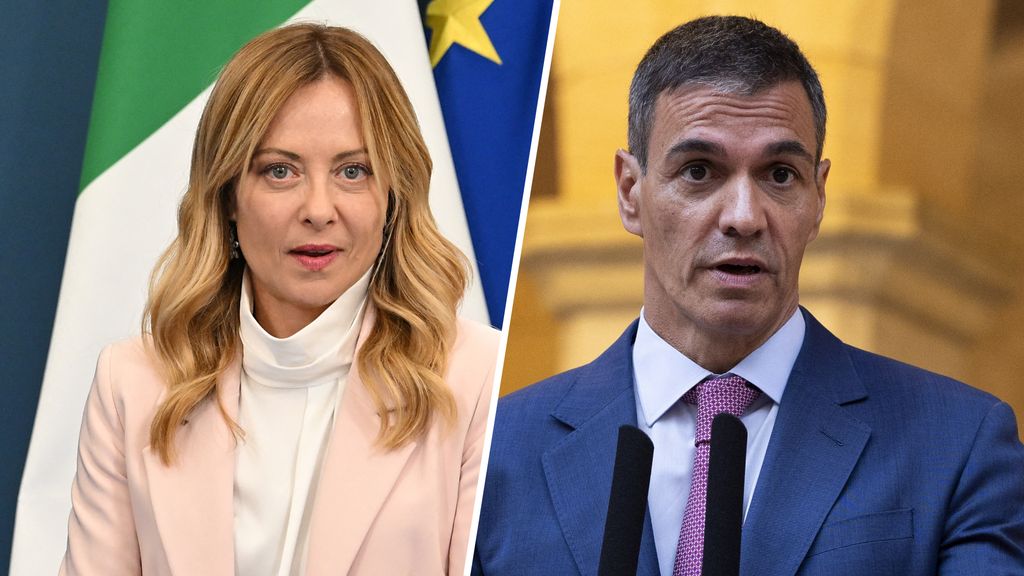
European interior ministers convened an emergency meeting today to discuss the crisis in the Spanish exclave of Ceuta, with the Netherlands represented by Migration Minister Van den Brink. The meeting was requested by 22 EU countries concerned about the bloc's external borders following a sudden influx of tens of thousands of migrants into Ceuta. Initially, several nations, including Italy, Denmark, Sweden, and Finland, criticized Spain's border control and even suggested suspending the Schengen agreement for travelers from Spain. Spanish Prime Minister Sánchez strongly rebuked these "selfish, polarizing, and unlawful reactions." However, the mood appears to have shifted significantly. European Commission President Von der Leyen acknowledged that both Spanish and Moroccan authorities handled the situation "efficiently and effectively," preventing further illegal migration. Spain is now seeking solidarity from its European partners, and preliminary discussions indicate a more supportive stance, with some countries expressing "admiration and praise" for Spain's management of the crisis. The focus of the meeting is expected to be on damage control and strengthening external borders to prevent future incidents. This situation contrasts with a similar event in May 2021, which involved more violence and criticism from human rights organizations regarding Spanish security forces' actions and pushbacks. While nearly a hundred deaths, mostly from drowning, are mourned, Spain is urging Morocco to investigate the circumstances of the crossings.
The rapid shift in European sentiment regarding the Ceuta migrant crisis highlights the complex interplay of national interests, border security concerns, and diplomatic solidarity within the EU. The initial criticism of Spain, potentially driven by a desire to deflect responsibility or assert influence over border policy, quickly gave way to a more unified stance as the scale of the challenge and the effectiveness of Spain's response became clearer. This episode underscores the inherent tension between the Schengen Area's principles of free movement and the imperative for robust external border management. The EU's collective response, particularly the Commission's validation of Spain's actions, suggests a pragmatic approach prioritizing stability and control over ideological purity in migration policy. Moving forward, the emphasis on strengthening external borders and learning from this event will likely shape future EU migration strategies, potentially leading to greater harmonization of policies and increased cooperation with third countries, while navigating the ongoing humanitarian and ethical considerations.
AI-generated to prompt reflection — not editorial opinion, not advice, not a statement of fact. How this works.
