EU Overhauls Emissions Trading System, Easing Pace for Industry
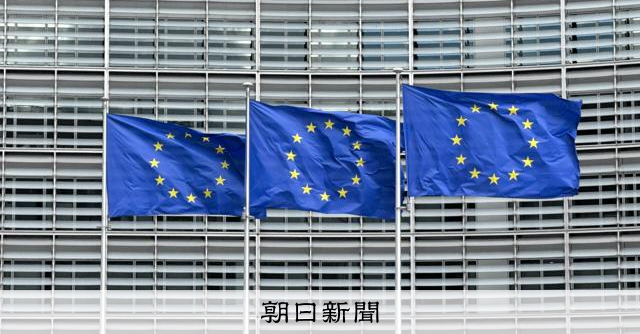
The European Union is implementing a significant overhaul of its Emissions Trading System (ETS), a key policy tool aimed at reducing greenhouse gas emissions. The revised system will adjust the pace of emissions reductions, offering a period of "grace" for industries. This adjustment is intended to provide businesses with more time to adapt to the stricter environmental regulations. The EU's ETS operates on a "cap and trade" principle, where a limit is set on the total amount of certain greenhouse gases that can be emitted by installations covered by the system. Companies receive or buy emission allowances, which they can trade. If they reduce their emissions, they can sell surplus allowances; if they emit more, they need to buy allowances. The revision signals a recalibration of the EU's climate strategy, balancing ambitious environmental goals with the economic realities faced by its industrial sector. The specific details of the revised reduction pace and the duration of the grace period are crucial for understanding the immediate impact on various industries within the EU. This move comes as the EU continues to pursue its ambitious climate targets, including those outlined in the European Green Deal.
The EU's decision to revise its Emissions Trading System and ease the reduction pace for industry reflects a complex interplay between environmental policy and economic competitiveness. This recalibration suggests a recognition of the significant compliance costs and potential competitive disadvantages faced by European industries in a global market. The 'grace period' may be viewed as a pragmatic adjustment to ensure the ETS remains economically viable and politically sustainable, preventing widespread industrial relocation or non-compliance. However, it also raises questions about the EU's commitment to its stated climate targets and the potential for this adjustment to slow down the necessary transition towards a low-carbon economy. Future policy design will need to carefully balance the need for industrial adaptation with the urgency of climate action, ensuring that such adjustments do not undermine long-term decarbonization goals or create loopholes that could be exploited.
AI-generated to prompt reflection — not editorial opinion, not advice, not a statement of fact. How this works.