EU Paid Nearly $6 Billion for Russian LNG from Yamal in H1
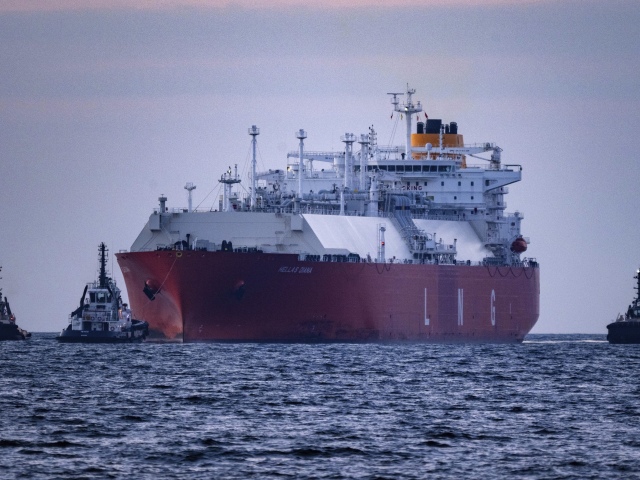
Nearly all liquefied natural gas (LNG) shipments from Russia's Yamal terminal were directed to European Union countries during the first half of this year. EU member states reportedly paid close to six billion euros for these deliveries. This comes as the EU is preparing to completely halt imports of Russian gas starting next year. The significant volume of LNG imports highlights the ongoing reliance of some EU nations on Russian energy sources, despite broader political efforts to diversify away from them. The figures underscore the complex energy landscape the EU is navigating as it seeks to balance energy security with geopolitical objectives. The continuation of these imports, even as a phase-out is planned, suggests that alternative supply routes and volumes are still being secured or are insufficient to meet immediate demand.
The continued substantial flow of Russian LNG to the EU, despite stated intentions to cease imports, reveals a persistent dependency driven by energy security needs and market dynamics. While the EU aims for energy independence, the economic realities of securing sufficient alternative supplies at competitive prices remain a significant challenge. This situation highlights the intricate trade-offs between geopolitical strategy and immediate energy requirements. Over the next decade, the EU's success in transitioning away from Russian energy will depend on accelerated investment in renewable infrastructure, enhanced energy efficiency measures, and the development of diversified global supply chains. The current reliance suggests that the transition timeline may be influenced by the pace of these developments and the ability to manage potential energy shortfalls.
AI-generated to prompt reflection — not editorial opinion, not advice, not a statement of fact. How this works.