EU Parliament Advances Digital Euro Framework, Aiming for Year-End Legal Readiness
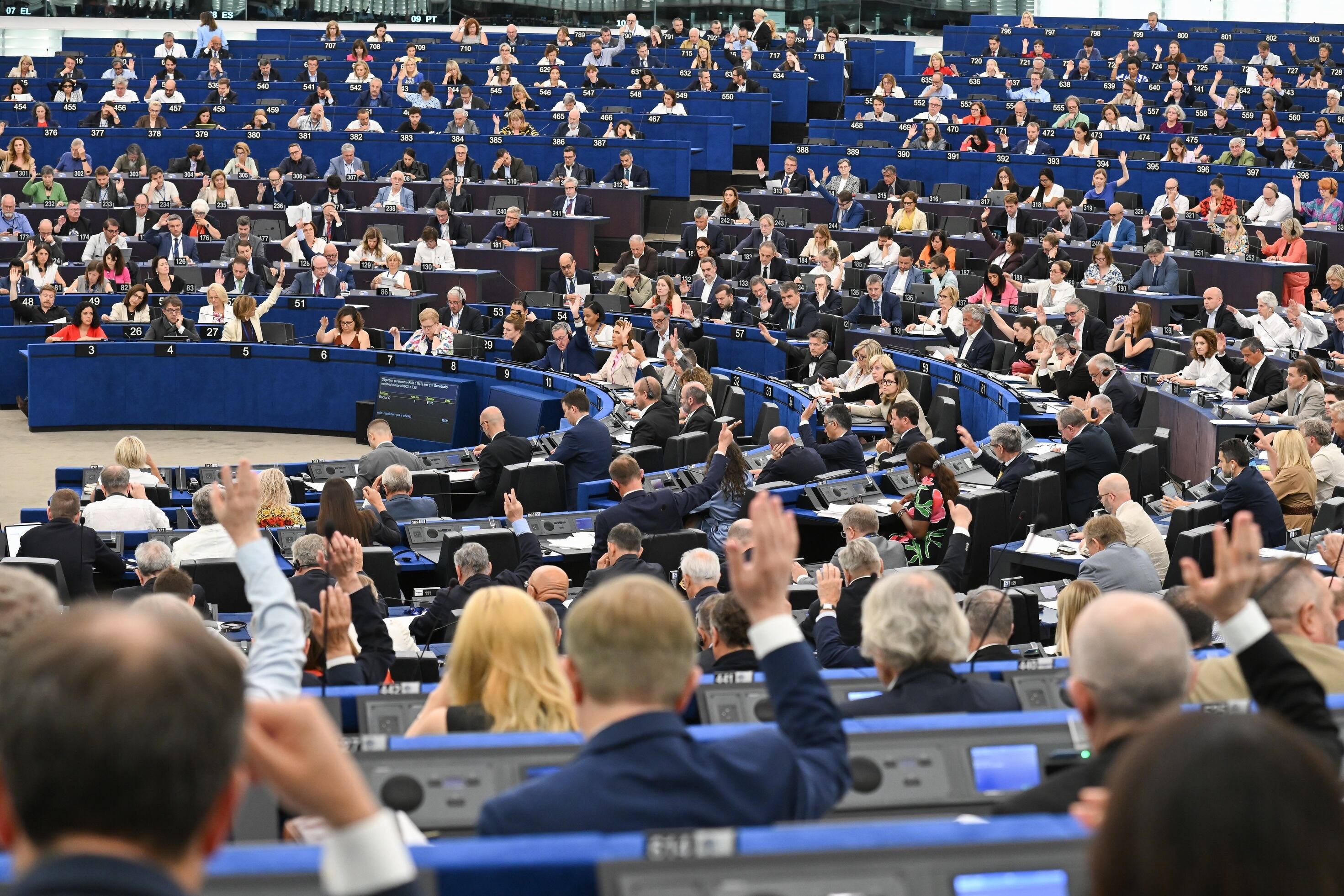
The European Parliament has cleared a significant hurdle for the digital euro, paving the way for final negotiations on the legal framework by the end of the year. Lawmakers and the Council of the EU are now set to engage in these crucial discussions. The initiative aims to reduce Europe's reliance on the United States for electronic payment systems. This move is part of a broader strategy to enhance financial sovereignty and technological independence within the European Union. The development of a digital euro could reshape how citizens and businesses conduct transactions, potentially offering greater efficiency and security. It also signals a proactive approach by the EU to adapt to the evolving global financial landscape, where central bank digital currencies are becoming increasingly prominent. The successful implementation of the digital euro would represent a major step in modernizing the EU's financial infrastructure.
The European Parliament's advancement of the digital euro framework reflects a strategic push towards greater monetary sovereignty in an increasingly digitalized global economy. By seeking to reduce dependence on US-based payment systems, the EU is addressing potential vulnerabilities in cross-border transactions and data security. This initiative highlights a growing trend among major economies to explore central bank digital currencies as a means to maintain financial stability and influence in the face of private digital currencies and foreign payment dominance. The legislative progress suggests a deliberate effort to establish a robust regulatory environment before widespread adoption, aiming to balance innovation with consumer protection and systemic risk management. The success of this project will likely depend on intricate technological implementation, public trust, and interoperability with existing financial networks, presenting both opportunities for enhanced economic integration and challenges in navigating complex geopolitical and technological shifts over the next decade.
AI-generated to prompt reflection — not editorial opinion, not advice, not a statement of fact. How this works.