EU Parliament Leader Urges Spain to Change Course on Ceuta Migration Crisis
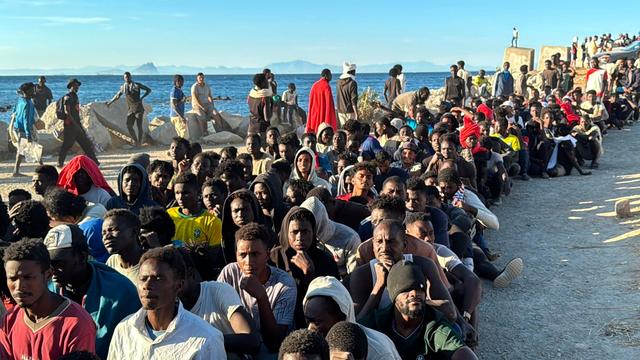
Manfred Weber, the leader of the European People's Party (EPP) in the European Parliament, has called on Spain to alter its approach to the migration crisis in Ceuta. The city, an autonomous Spanish territory bordering Morocco, experienced a significant influx of migrants. Weber's statement suggests that Spain's current policies are not effectively managing the situation. He emphasized the need for a more robust strategy to control the external borders of the European Union. The EPP, a major political group in the European Parliament, often advocates for stricter border controls and a unified European approach to migration management. Weber's comments highlight the political pressure on Spain to address the humanitarian and security challenges posed by irregular migration flows into the EU. The EPP's stance generally supports cooperation with third countries to prevent migrants from reaching European shores. This call to action indicates a desire for a more coordinated and potentially firmer response from member states facing such border challenges.
The EPP leader's call for Spain to change its course on the Ceuta migration crisis reflects broader European debates on border security and migration management. The EPP's emphasis on changing Spain's 'course' suggests a critique of current policies, potentially related to humanitarian considerations versus border enforcement. From a systemic perspective, the incident underscores the persistent challenge of managing external EU borders, especially in enclaves like Ceuta and Melilla, which are geographically distinct from the mainland. The EPP's proposed solutions often involve increased cooperation with origin and transit countries, aiming to intercept migration flows before they reach EU territory. This approach, while seeking to alleviate pressure on border states, raises questions about third-country responsibilities and potential human rights implications. The long-term sustainability of such strategies, particularly in the context of geopolitical shifts and evolving migration patterns, remains a critical consideration for European policymakers over the next decade.
AI-generated to prompt reflection — not editorial opinion, not advice, not a statement of fact. How this works.
