EU Parliament's Pakistan Resolution Criticized as Performative and Lacking Real Authority
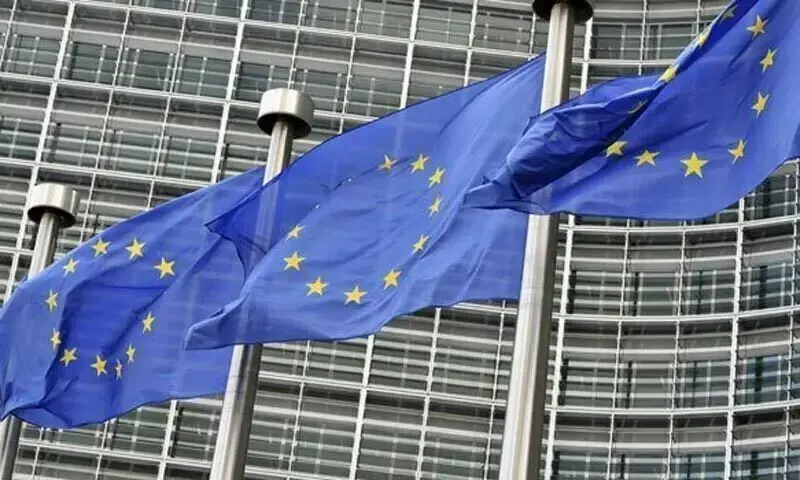
The European Parliament recently passed a resolution concerning Pakistan, addressing alleged human rights violations against Hindu and Christian minorities, including forced conversions and child marriages. The resolution specifically cited the case of 13-year-old Maria Shahbaz and warned that such violations could jeopardize Pakistan's GSP+ preferential trade status with the EU. However, the article argues that this resolution is largely performative, lacking substantive impact due to procedural and institutional limitations. The European Parliament does not hold the authority to impose trade sanctions; this power rests solely with the European Commission. The resolution is a non-binding political statement intended to influence the Commission's thinking rather than enact immediate policy changes. The selection of countries for these "urgency debates" is driven by political bargaining among parliamentary groups, not objective criteria, with specific issues like minority rights often championed by certain political factions influenced by external agendas. The drafting process is rushed, allowing limited time for fact-finding and leaving it open to influence from NGOs and special interest groups who lobby for their preferred narratives, often leading to biased and inaccurate texts. While international scrutiny can be valuable for clear-cut cases, it becomes less productive when facts are ambiguous and verification is impossible for the Parliament. The article contends that the European Commission is unlikely to withdraw Pakistan's trade preferences due to pragmatic reasons. Pakistan's exports to the EU have significantly increased, supporting millions of jobs and forming a substantial part of its total exports, making withdrawal disruptive to European supply chains and consumer prices. The Commission generally prefers conditional engagement and dialogue over punitive measures, as seen in discussions on human rights progress. Furthermore, Pakistan's growing geopolitical relevance as a mediator in international dialogues and its cooperation on counter-terrorism efforts make it a valuable strategic partner for Europe, especially in South Asia. Recent high-level engagements, like the EU High Representative's visit, have reinforced positive bilateral relations, suggesting that withdrawing trade preferences would undermine this strategic partnership.
The European Parliament's resolution on Pakistan highlights a recurring tension between legislative bodies' desire to express political stances on human rights and the practical realities of international trade and foreign policy. While the Parliament's role in raising awareness and signaling concerns is significant, its lack of direct authority over trade policy means its resolutions function primarily as symbolic gestures. The process described, reliant on political bargaining and influenced by external lobbying, raises questions about the objectivity and effectiveness of such condemnatory mechanisms when applied to complex geopolitical situations. The article suggests that the European Commission's pragmatic approach, prioritizing economic interdependence, diplomatic relevance, and consistent engagement over punitive actions, is likely to prevail. This dynamic underscores the importance of understanding institutional power structures and the interplay between political signaling and executive decision-making in international relations, particularly in an era where economic leverage is a key tool of foreign policy.
AI-generated to prompt reflection — not editorial opinion, not advice, not a statement of fact. How this works.