EU Plastic Bottle Pack Ban: Fact vs. Fiction on Social Media
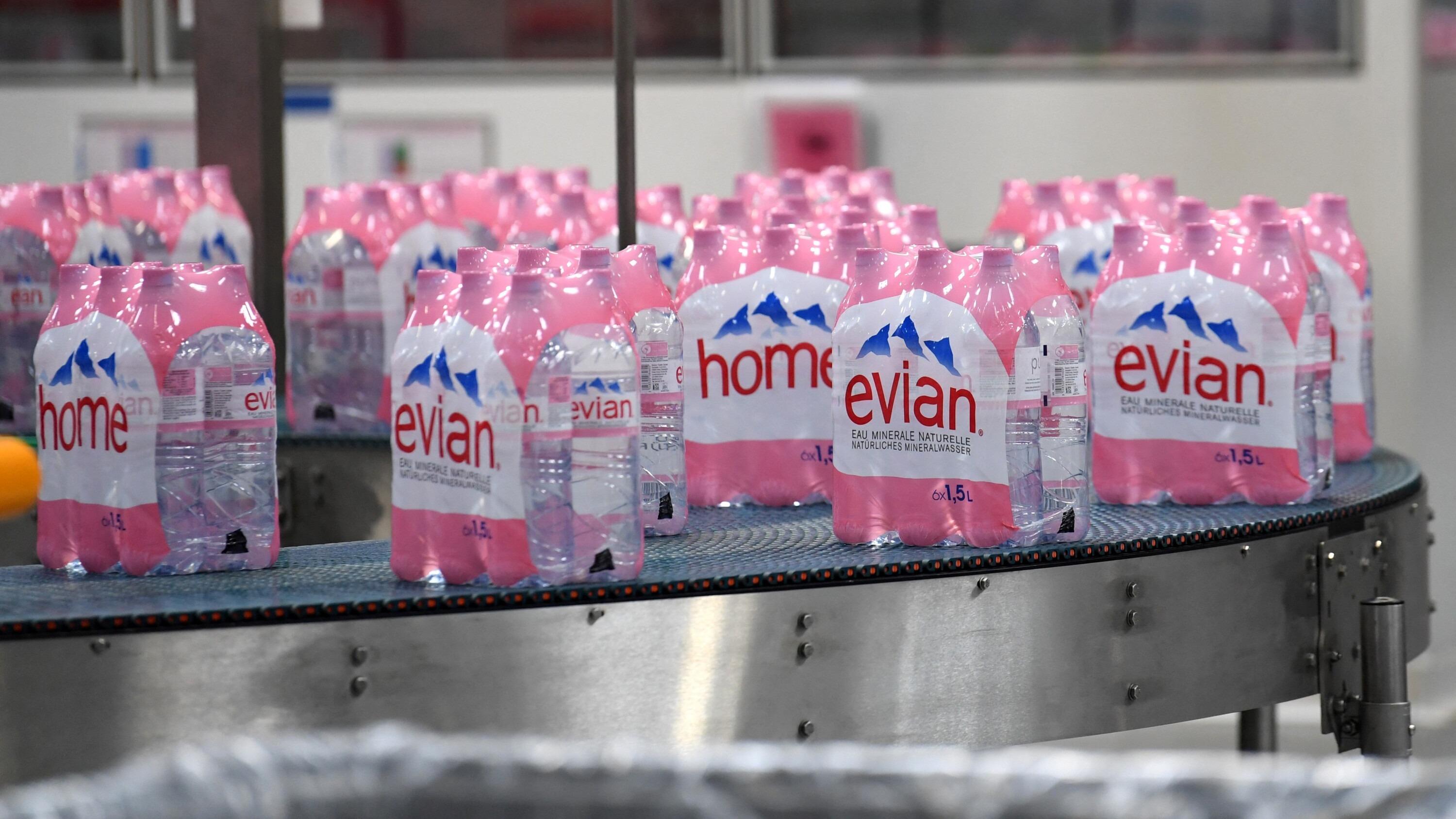
Social media posts are circulating with claims that the European Union will ban plastic rings that hold multipacks of water bottles together starting August 12. These claims suggest that a European regulation adopted last year is set to eliminate these plastic connectors. The regulation in question is the Single-Use Plastics Directive (SUPD), which aims to reduce plastic waste across the EU. While the directive does target certain single-use plastic items, its specific provisions regarding multipack rings need clarification. The directive mandates a reduction in the consumption of certain single-use plastic products and prohibits others. It also sets targets for separate collection of plastic bottles and requires that caps and lids made of plastic remain attached to beverage containers for the first few years of its implementation. The directive's broader goal is to encourage the use of reusable alternatives and improve the recyclability of plastic packaging. The social media claims appear to be a misinterpretation or an oversimplification of the directive's scope and implementation timeline.
Social media narratives often simplify or misrepresent complex regulatory frameworks, leading to public confusion. The European Union's Single-Use Plastics Directive aims to curb plastic pollution through a multi-faceted approach, including bans on specific items and design requirements for others. While the directive targets plastic waste, the precise application and enforcement timeline for elements like multipack rings warrant careful examination. Understanding the nuances of such legislation is crucial for businesses and consumers to adapt effectively. The focus on reducing single-use plastics reflects a broader global trend toward environmental sustainability, driven by growing awareness of ecological impacts and the long-term economic implications of waste management. Future policy may increasingly emphasize circular economy principles and the development of biodegradable or easily recyclable materials.
AI-generated to prompt reflection — not editorial opinion, not advice, not a statement of fact. How this works.