EU Reforms in Montenegro: A Shared Responsibility or Missed Opportunity
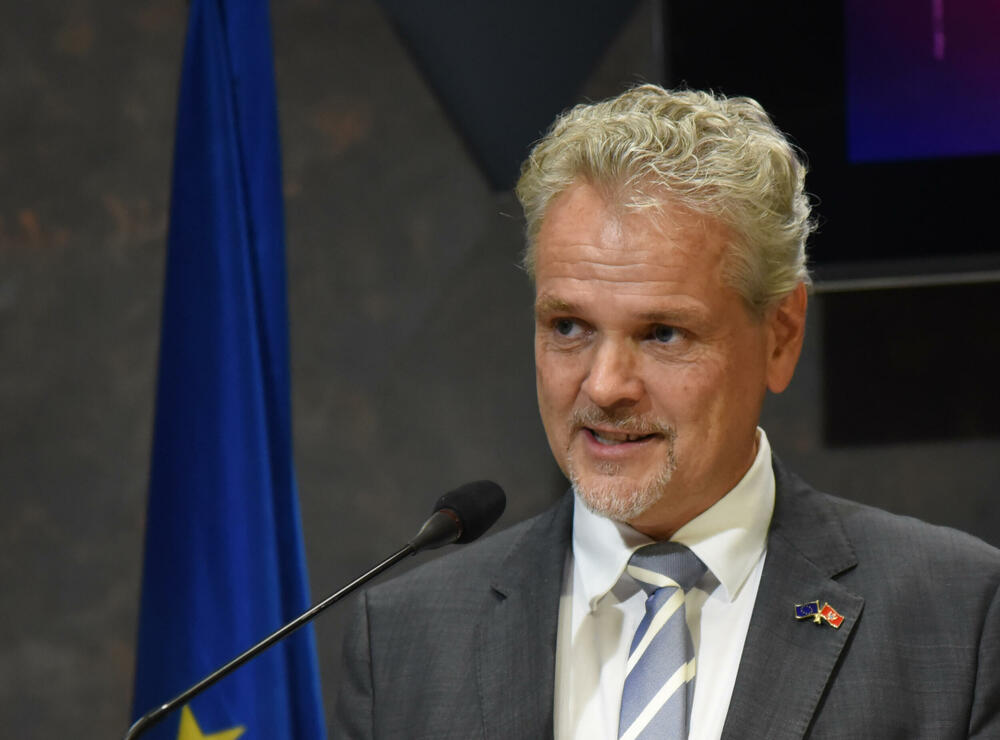
Oliver Varhelyi, the European Commissioner for Neighborhood and Enlargement, stated that Montenegro has a historic opportunity to become a member of the European Union. He emphasized that achieving this goal will require either a joint success involving both the government and the opposition, or it will be a missed chance for everyone. Varhelyi noted that the process of electoral reforms has been delayed for too long. Based on discussions with political stakeholders, he concluded that the primary obstacle is not the establishment of a special parliamentary committee, but rather the lack of political will to implement these necessary reforms.
The EU's enlargement process hinges on member states demonstrating a commitment to democratic reforms, particularly in candidate countries like Montenegro. The Commissioner's statement highlights a critical juncture where political consensus between ruling and opposition parties is paramount for advancing the EU accession agenda. The delay in electoral reforms suggests a potential disconnect between stated aspirations for EU membership and the practical political will to enact substantive changes. This situation underscores a recurring challenge in accession processes: the need for domestic political actors to prioritize long-term integration goals over short-term political maneuvering. The next decade will likely see increased scrutiny on such governance challenges, as the EU itself navigates its evolving role and the strategic importance of stability in the Western Balkans.
AI-generated to prompt reflection — not editorial opinion, not advice, not a statement of fact. How this works.