EU Regulations and French Taxes Hit French Auto Market Hard
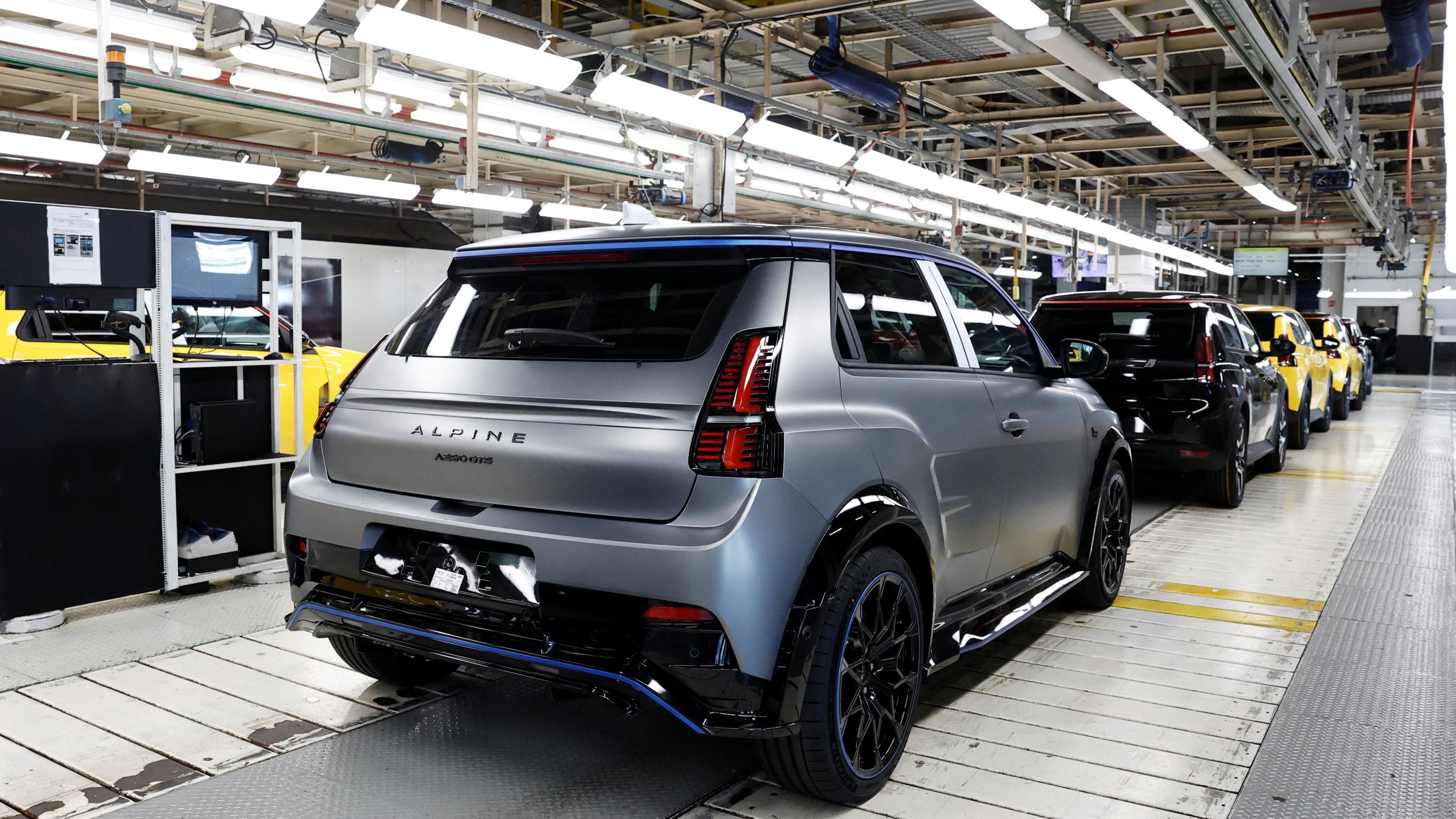
A new study commissioned by the PFA, Mobilians, Sesam, and Avere reveals that a combination of European regulations and French taxation is severely impacting the French automotive market. The research, conducted by Roland Berger, highlights the significant burden imposed by legislative constraints on both car manufacturers and consumers. These dual pressures are contributing to a downturn in the sector, making it difficult for businesses to operate and for individuals to purchase vehicles. The findings suggest that the current regulatory and fiscal environment is creating a "double penalty" for the French auto industry. This situation affects the competitiveness of French carmakers and the affordability of vehicles for the general public. The study aims to shed light on the specific mechanisms through which these policies are hindering market growth and consumer demand. The report underscores the need for a re-evaluation of the current policies to support the automotive sector's recovery and future development.
The French automotive market faces a complex interplay of regulatory pressures from the European Union and fiscal policies at the national level. This confluence of factors appears to be creating significant economic headwinds, impacting both supply-side production and consumer demand. The study's findings suggest a potential misalignment between policy objectives, such as environmental targets, and their economic consequences for a vital national industry. Examining the long-term sustainability of such a dual-burden approach is crucial, particularly in the context of global automotive industry transformations driven by electrification and digitalization. Future policy considerations may need to balance ambitious regulatory goals with the economic realities faced by manufacturers and consumers to foster a more resilient and competitive automotive ecosystem.
AI-generated to prompt reflection — not editorial opinion, not advice, not a statement of fact. How this works.