EU Report: Italy Blocks Return of Asylum Seekers Amid Migration Tensions
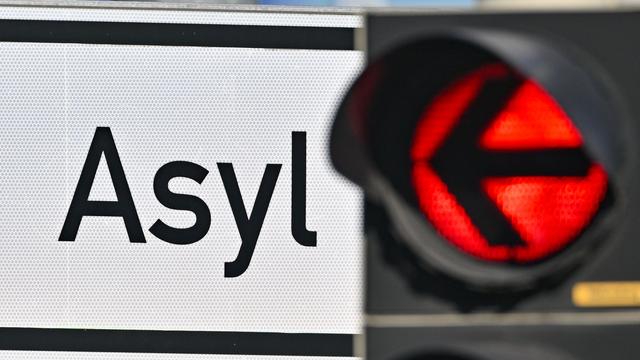
A recent EU report indicates that Italy is obstructing the return of asylum seekers to other member states. This action is reportedly contributing to increased tensions within the European Union regarding migration management. The report highlights Italy's refusal to accept asylum seekers who have arrived in other EU countries but are meant to be returned under existing agreements. This situation puts pressure on countries that are currently hosting these individuals and complicates the EU's efforts to establish a unified approach to asylum and migration. The specific details of the agreements being blocked and the number of asylum seekers affected have not been fully disclosed, but the issue points to significant challenges in implementing the EU's relocation and return policies. The Italian government has not yet issued a formal statement addressing the findings of the EU report. The ongoing dispute underscores the difficulties in achieving solidarity and burden-sharing among member states when it comes to managing irregular migration flows.
Italy's stance on returning asylum seekers, as highlighted by an EU report, reflects a complex interplay of national sovereignty concerns and the practical challenges of implementing EU-wide migration policies. This situation may stem from internal political pressures within Italy or a strategic attempt to renegotiate burden-sharing agreements, potentially seeking greater financial or logistical support from other member states. The EU's framework for managing asylum claims, particularly the Dublin Regulation, relies on cooperation for returns, and unilateral obstruction by a member state can destabilize the entire system. This situation prompts consideration of the long-term sustainability of current EU migration frameworks, especially in the face of evolving geopolitical dynamics and the potential for increased migratory pressures in the coming decade. Future policy discussions will likely need to address more equitable distribution of responsibilities and potentially more flexible mechanisms for handling asylum cases across the bloc.
AI-generated to prompt reflection — not editorial opinion, not advice, not a statement of fact. How this works.