EU Restrictions on Chinese Inverters May Severely Impact Romania and Eastern Europe
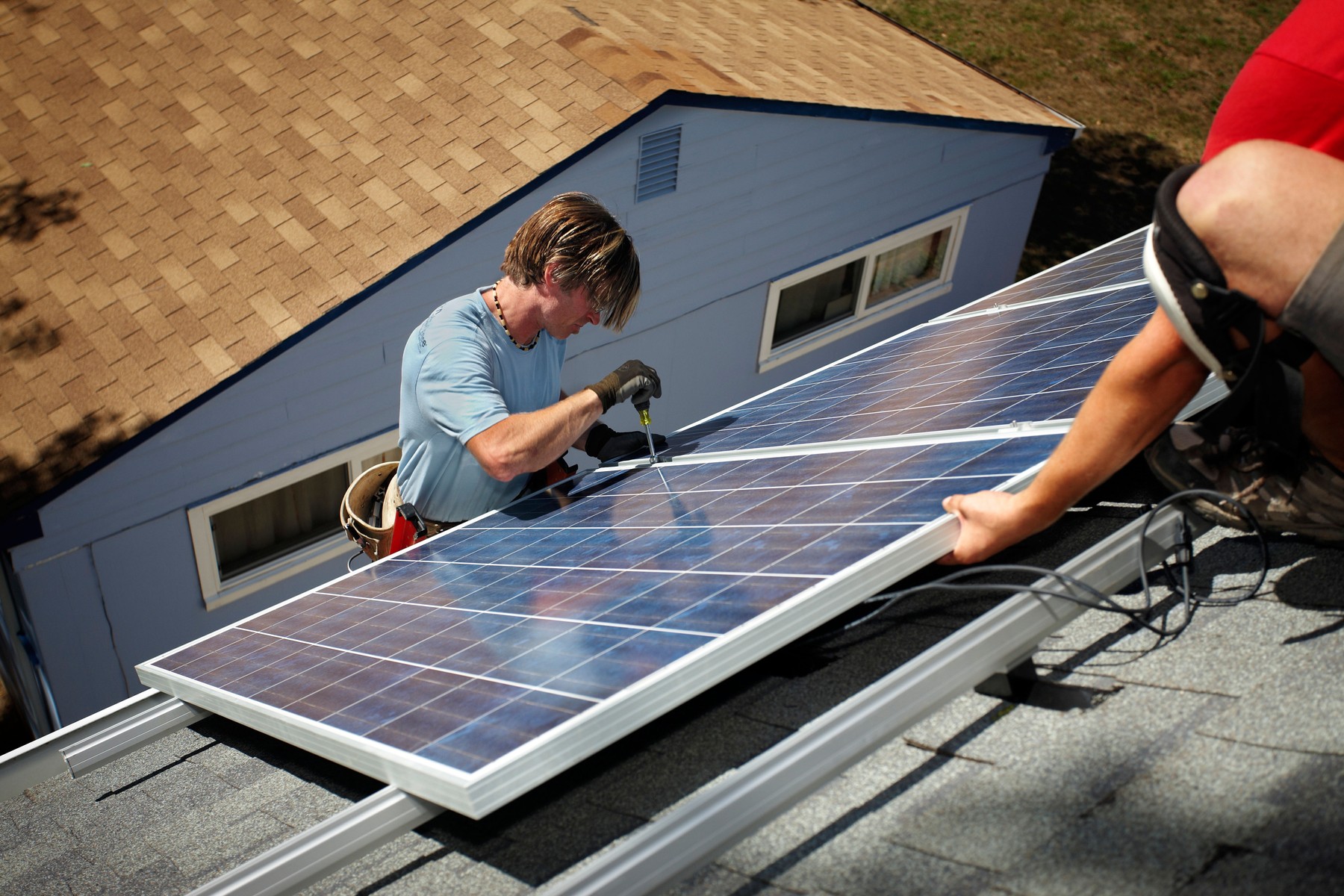
New European Union restrictions on financing renewable energy projects that use inverters manufactured in China are poised to significantly slow or even halt the development of renewable energy in Romania and other Central and Eastern European countries. Industry companies and investors have issued warnings about the potential negative consequences of these new EU regulations. The measures specifically target the financial support for projects incorporating Chinese-made inverters, a critical component in solar and wind energy systems. This move by the EU could create substantial hurdles for countries heavily reliant on foreign components for their green energy transitions. The concerns highlight a potential conflict between the EU's climate goals and its trade policies. Eastern European nations, in particular, may face challenges in meeting their renewable energy targets if access to cost-effective Chinese components is restricted. The situation could lead to increased project costs and delays, impacting the overall pace of decarbonization in the region. Investors are closely monitoring the situation, assessing the risks and potential alternative supply chains.
The EU's new restrictions on financing renewable energy projects utilizing Chinese inverters present a complex policy challenge. While aiming to bolster European industrial capacity and potentially address concerns over supply chain security or unfair trade practices, these measures could inadvertently impede the EU's own ambitious climate objectives. For countries like Romania and others in Eastern Europe, which may rely on more affordable imported components to accelerate their green energy transition, these restrictions could increase project costs and slow deployment. This situation highlights the inherent tension between fostering domestic industries and achieving rapid decarbonization, especially within the context of globalized supply chains. Policymakers face the task of balancing strategic industrial interests with the urgent need to meet climate targets, potentially necessitating support for alternative European manufacturing or diversified international sourcing to mitigate negative impacts on renewable energy expansion.
AI-generated to prompt reflection — not editorial opinion, not advice, not a statement of fact. How this works.