EU Rethinks Market Power in Geopolitical Rivalry with China
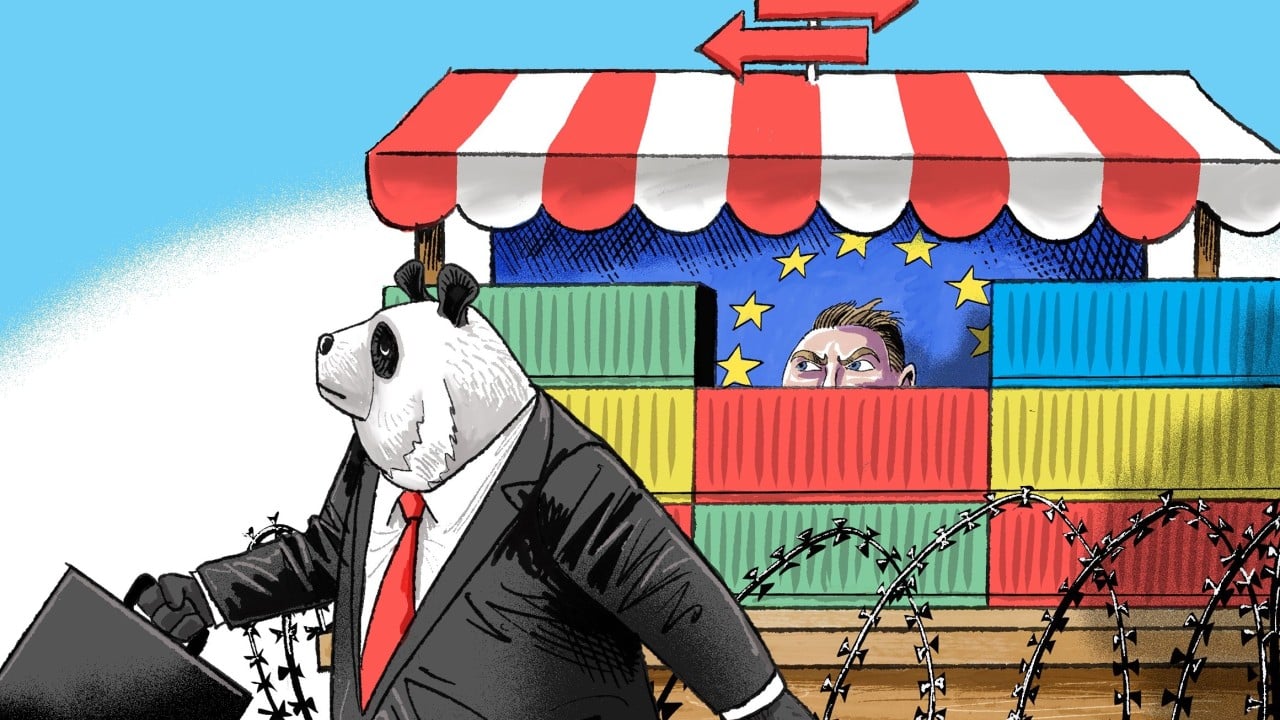
The European Union's approach to economic interdependence is shifting from a post-Cold War focus on mutual prosperity through open markets and free trade to a new logic driven by geopolitical rivalry. Brussels now increasingly views trade, investment, and technology as instruments of strategic competition in an era of intensifying global competition. This evolving perspective suggests a departure from the long-held assumption that economic ties inherently foster shared prosperity and instead frames them as potential tools in a power struggle. The article implies that this change in perspective may lead the EU to consider more assertive market-based strategies when engaging with global competitors, particularly China. The shift reflects a broader trend where economic policies are being integrated into national security and foreign policy frameworks.
The European Union's evolving stance on economic interdependence signals a recalibration of its foreign policy tools. The shift from prioritizing mutual prosperity to leveraging economic instruments for strategic competition reflects a broader global trend where geopolitical considerations increasingly influence trade and investment policies. This approach, while potentially enhancing the EU's leverage, introduces complexities in maintaining global economic stability and fostering continued interdependence. The challenge lies in balancing assertive market strategies with the principles of free trade and multilateralism, ensuring that economic power is wielded in a manner that promotes long-term global cooperation rather than exacerbating fragmentation. Future policy decisions will likely be shaped by the ongoing tension between national security imperatives and the benefits of open economic systems.
AI-generated to prompt reflection — not editorial opinion, not advice, not a statement of fact. How this works.