EU Reverses Stance on Soy, Securing Argentina's Biodiesel Exports
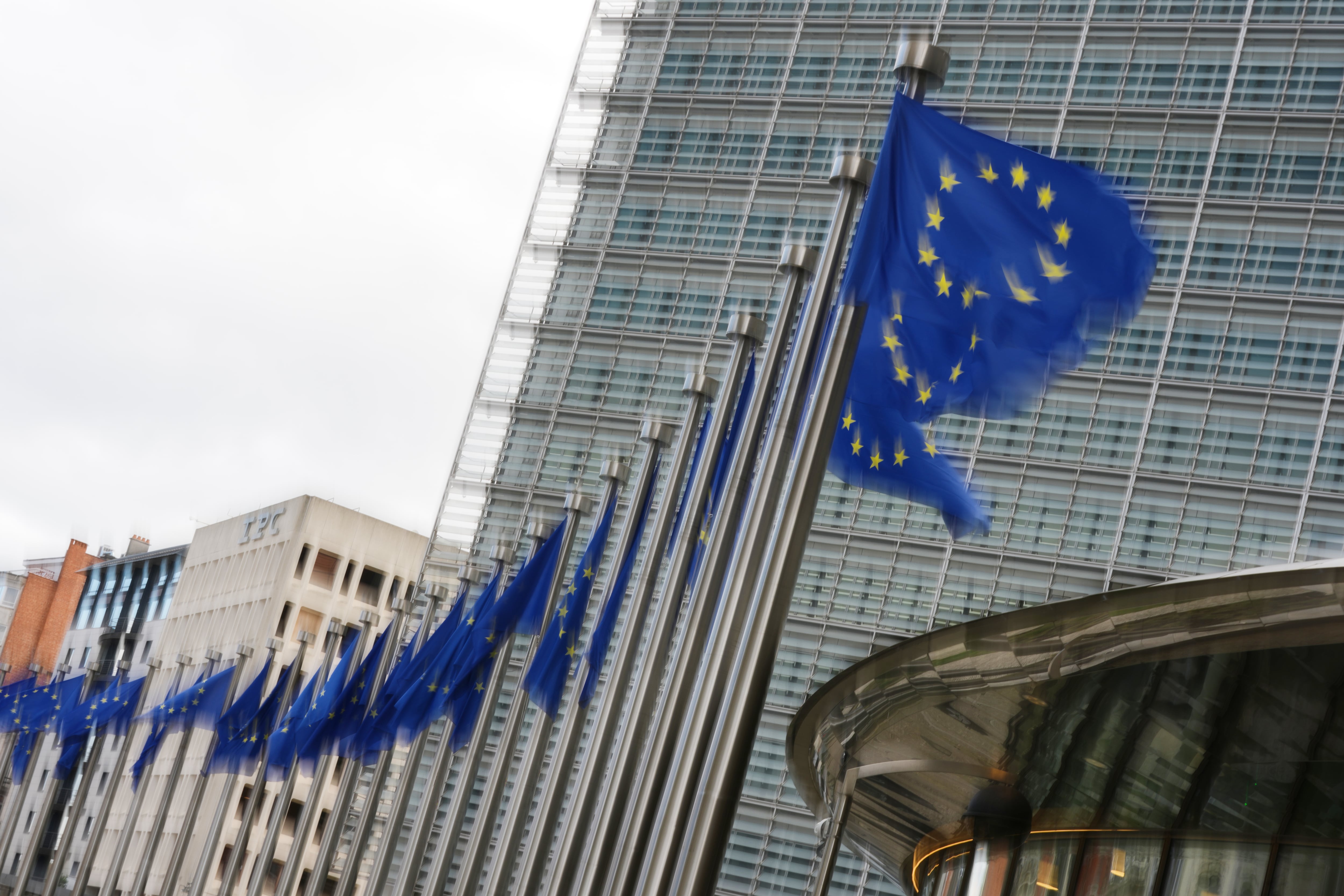
The European Parliament has rejected proposed changes by the European Commission that would have classified soybeans as an environmentally high-risk crop. This decision is a significant relief for the Argentine biodiesel industry, which feared the measure would jeopardize its exports to the European Union. Industry representatives celebrated the outcome, confirming that Argentina will be able to continue supplying biodiesel to the bloc. The original proposal aimed to restrict the use of crops linked to deforestation or indirect land-use change for biofuel production. Argentina, a major global producer and exporter of soybeans and biodiesel, had expressed strong concerns about the potential economic impact of such a classification. The European Parliament's vote signifies a victory for Argentina's agricultural and energy sectors, preserving a vital export market. This reversal highlights ongoing debates within the EU regarding the sustainability criteria for renewable energy sources and their agricultural supply chains.
The European Parliament's decision to reject the European Commission's proposed classification of soybeans as a high-risk crop for biofuel production reflects a complex interplay between environmental policy goals and economic realities. The EU faces the challenge of balancing ambitious climate targets, such as those outlined in the Renewable Energy Directive, with the need to maintain stable trade relationships and support domestic industries. This reversal suggests that the immediate economic implications for key trading partners like Argentina were weighed heavily against the perceived environmental risks, at least in the short term. Future policy decisions will likely continue to grapple with the systemic contradiction between promoting renewable energy derived from agricultural feedstocks and mitigating the associated land-use change impacts. The EU's approach to sustainability criteria for biofuels may evolve as it seeks more robust methods to ensure environmental integrity without disrupting established supply chains.
AI-generated to prompt reflection — not editorial opinion, not advice, not a statement of fact. How this works.