EU's Emissions Trading Reform Sparks Divided Reactions
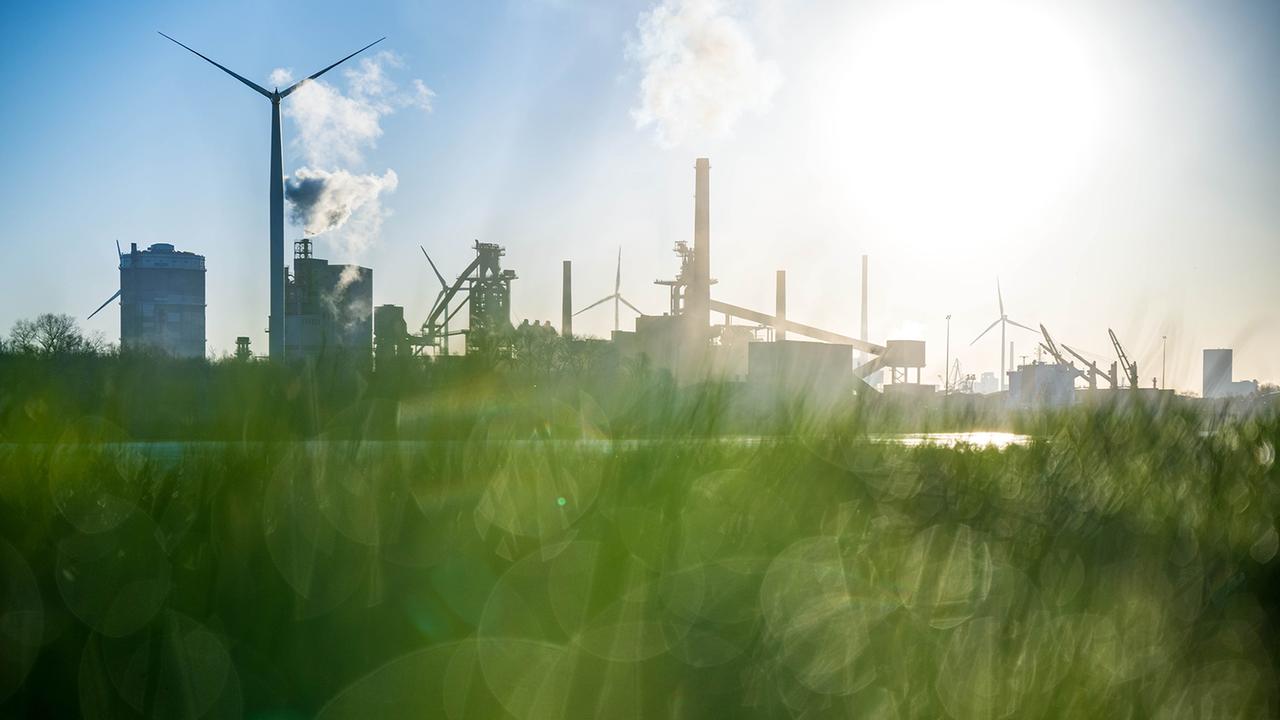
The European Commission has proposed a reform of the EU's emissions trading system aimed at relieving industrial burdens. The core of the proposal is to channel revenues more precisely towards decarbonization efforts. However, this initiative has elicited mixed responses from various stakeholders. The reform seeks to optimize the allocation of funds generated through emissions trading, ensuring they are strategically invested in projects that reduce carbon footprints and promote sustainable industrial practices.
While the intention is to provide financial relief to industries and accelerate the transition to greener technologies, the divided reactions suggest complexities in implementation and potential impacts. The specific details of how these revenues will be allocated and monitored are likely points of contention. The proposal highlights the ongoing challenge for the EU in balancing economic competitiveness with ambitious climate goals, necessitating careful consideration of industry needs and environmental imperatives.
The European Commission's proposed reform of the emissions trading system aims to redirect revenue towards decarbonization, ostensibly to ease industrial burdens. This initiative reflects a common governance challenge: balancing economic pressures on industry with the imperative of climate action. The divided reactions suggest that the proposed mechanisms for revenue allocation may not fully align with the diverse needs and capacities of different industrial sectors, or that concerns exist regarding the effectiveness and transparency of the proposed decarbonization investments. Future success will likely depend on the EU's ability to foster consensus, ensuring that the reform incentivizes genuine emissions reductions without creating undue economic hardship or fostering a perception of inequitable burden-sharing. The long-term viability of such market-based climate mechanisms hinges on their perceived fairness and their demonstrable impact on achieving ambitious environmental targets within the evolving global economic and technological landscape.
AI-generated to prompt reflection — not editorial opinion, not advice, not a statement of fact. How this works.