EU's Revised Sustainable Farming Strategy Balances Livestock Needs with Emission Cuts Amid Climate Concerns
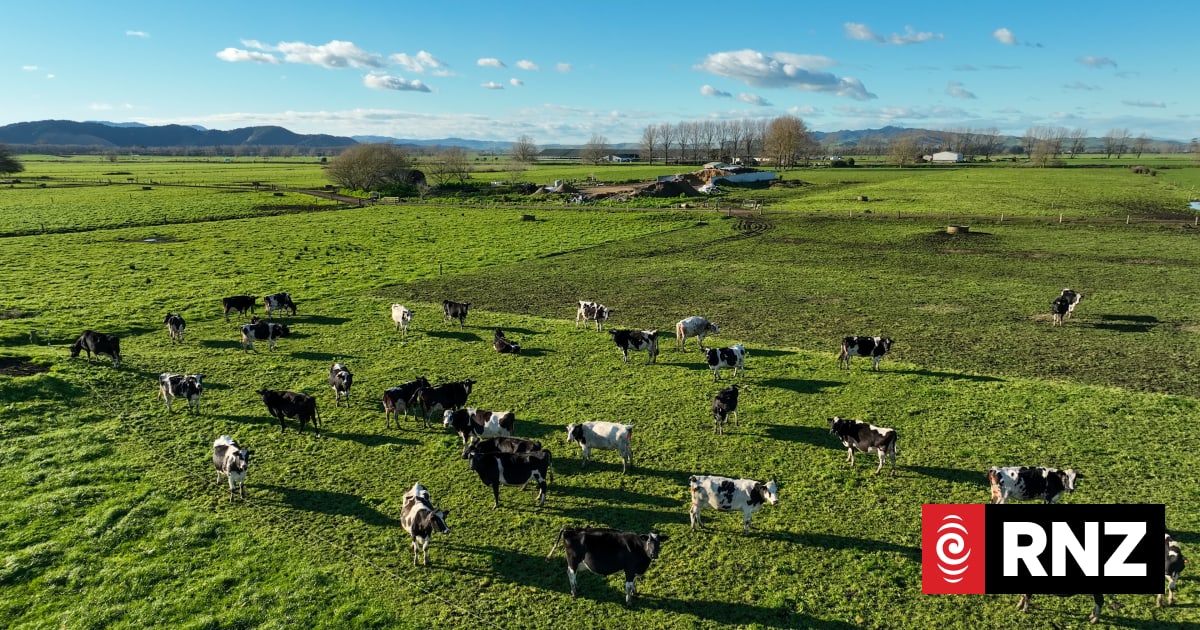
The European Union has introduced a new strategy for sustainable farming that aims to balance the needs of the livestock sector with the imperative to reduce greenhouse gas emissions. This revised approach acknowledges the importance of livestock within the agricultural landscape while simultaneously seeking innovative methods to mitigate their environmental impact. The move comes at a critical juncture, as agriculture faces increasingly urgent climate warnings. These warnings highlight the sector's vulnerability to changing weather patterns and its significant contribution to global warming. The EU's strategy attempts to navigate this complex terrain by fostering practices that are both economically viable for farmers and environmentally responsible. It signals a potential shift in how the bloc views and regulates its vast agricultural output, particularly concerning animal farming. The effectiveness of this new strategy will be closely watched, especially in light of ongoing scientific reports detailing the escalating climate crisis and its implications for food security.
The EU's updated sustainable farming strategy reflects a growing awareness of the dual pressures on the agricultural sector: maintaining food production capacity and addressing climate change. By seeking to value livestock while reducing emissions, the EU is navigating the inherent tension between traditional farming practices and environmental imperatives. This approach suggests a recognition that outright bans or drastic reductions in livestock may not be feasible or desirable from a food security perspective, but that innovation in emission reduction technologies and practices is essential. The strategy's success will likely depend on incentivizing farmers to adopt new methods, the development of scalable and affordable technologies, and the ability to withstand potential market fluctuations or international criticism. Looking ahead, this policy could set a precedent for other regions grappling with similar challenges, highlighting the complex trade-offs involved in transitioning to a more sustainable global food system within the context of evolving climate realities.
AI-generated to prompt reflection — not editorial opinion, not advice, not a statement of fact. How this works.