EU's Right to Repair Law Approved, But Questions Remain
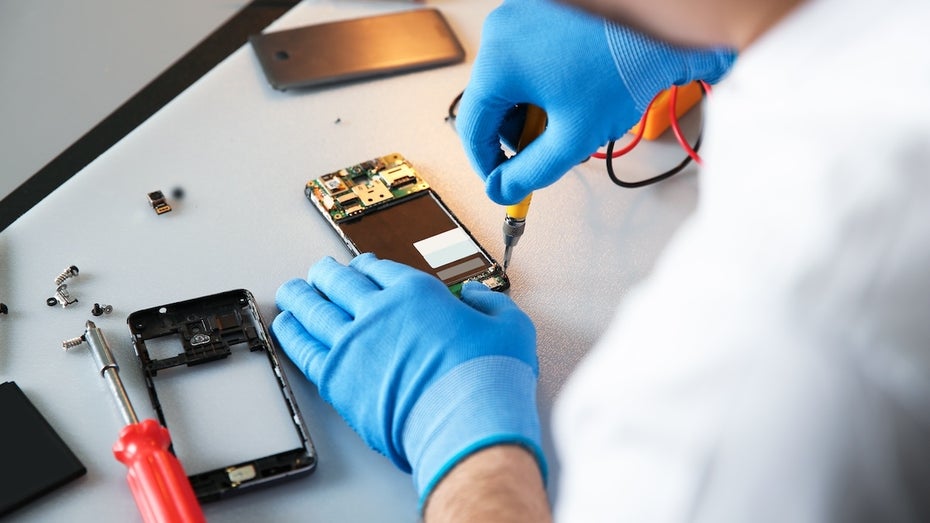
The European Union has moved forward with its Right to Repair initiative, aiming to extend the lifespan of products and reduce premature disposal due to minor defects. This new legislation will mandate that manufacturers make products more durable and easier to repair. The goal is to foster a more sustainable consumption model across the bloc.
While the core principles of the law have been established, certain aspects and implementation details are still under discussion. These outstanding questions may affect the practical application and effectiveness of the Right to Repair. Further clarification is expected as the EU finalizes the regulatory framework. The initiative is a significant step towards a circular economy, encouraging consumers to opt for repair over replacement.
The EU's Right to Repair directive addresses a critical systemic contradiction between linear consumption models and environmental sustainability goals. By shifting repair responsibilities towards manufacturers, the policy aims to realign economic incentives away from planned obsolescence and towards product longevity. This could foster new service-based economies and reduce waste streams. However, the success of this initiative will hinge on the clarity of its implementation, the enforcement mechanisms, and the potential for manufacturers to adapt or find loopholes. Future considerations should include the integration of digital product passports and the long-term impact on innovation cycles within a framework that prioritizes durability.
AI-generated to prompt reflection — not editorial opinion, not advice, not a statement of fact. How this works.