EU's Top Diplomat Kallas Faces Scrutiny Over Foreign Policy Role
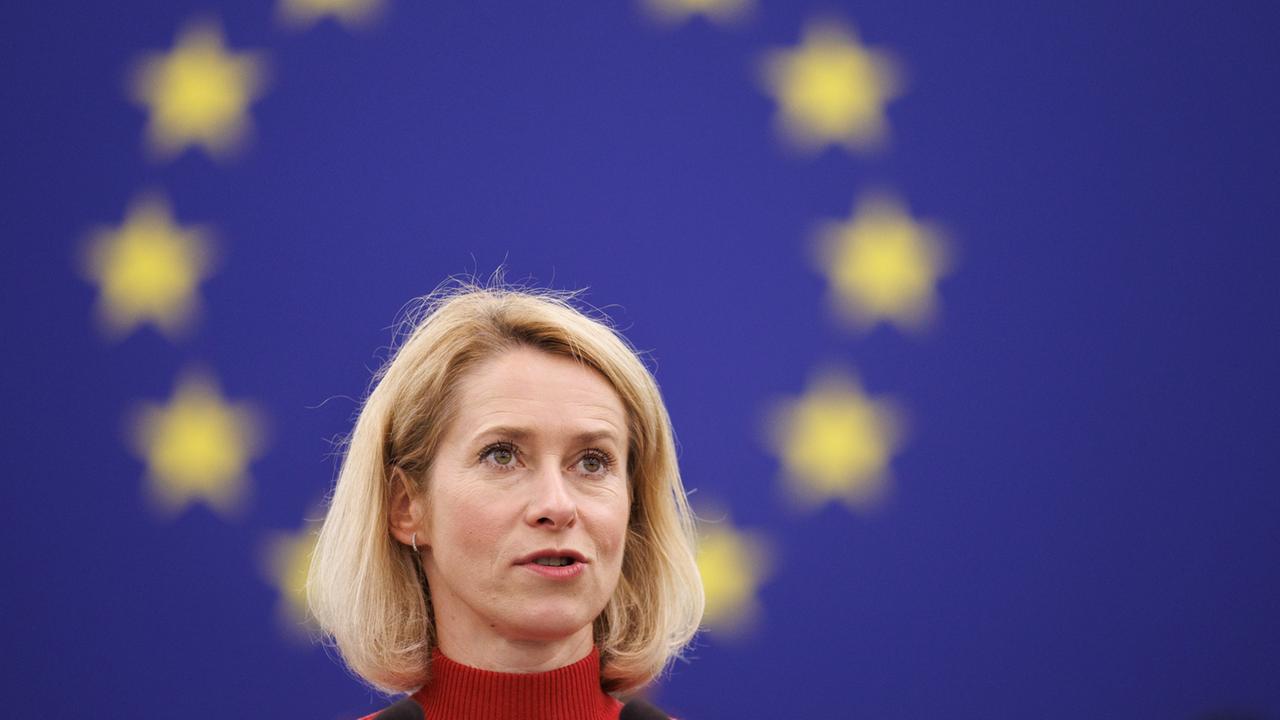
The European Union's chief diplomat, Kaja Kallas, is facing criticism for being too undiplomatic and overly ambitious in her foreign policy actions. This situation has brought to the forefront a broader question within the EU regarding the division of responsibilities for conducting foreign policy. Currently, there are discussions and plans to reallocate competencies to clarify who is ultimately in charge of the EU's external relations. The debate highlights the complexities of navigating foreign policy within the multi-national structure of the European Union, where different institutions and member states may have overlapping or competing interests. The re-evaluation of these powers aims to streamline decision-making and ensure a more cohesive approach to the EU's global engagement. This internal discussion is crucial for the EU's effectiveness on the international stage.
The scrutiny of EU's chief diplomat Kaja Kallas over her foreign policy actions raises systemic questions about the EU's institutional architecture for external relations. The debate over reallocating competencies reflects an ongoing tension between centralized EU foreign policy initiatives and the foreign policy autonomy of member states. In the coming decade, as geopolitical landscapes shift and the EU seeks to assert itself as a global actor, clarity on decision-making authority and diplomatic execution will be paramount. This internal recalibration is essential for the EU to project a unified and effective foreign policy, avoiding potential fragmentation that could undermine its strategic objectives and influence in a complex global environment.
AI-generated to prompt reflection — not editorial opinion, not advice, not a statement of fact. How this works.