EU Sanctions Could Compel Putin to Negotiate Peace, Says Irish Finance Minister
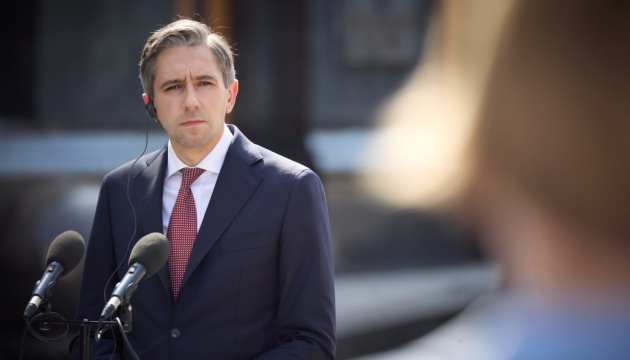
Ireland's Finance Minister has stated that a turning point is expected where European Union sanctions will compel the Kremlin to engage in genuine peace negotiations regarding the conflict in Ukraine. The minister believes that the economic pressure exerted by the sanctions is intended to create a situation where Russia can no longer sustain its current course. This strategic aim is to bring about a shift in Moscow's stance, moving from a position of intransigence to one of willingness to discuss a peaceful resolution. The effectiveness of these sanctions is seen as a crucial factor in potentially altering the dynamics of the war and fostering diplomatic progress. The hope is that sustained economic strain will make the cost of continued conflict prohibitive for Russia, thereby incentivizing a return to the negotiating table.
The assertion that external sanctions can unilaterally compel a sovereign nation's leadership to alter its strategic objectives, particularly in a high-stakes geopolitical conflict, warrants careful consideration of incentive structures and historical precedents. While sanctions aim to impose economic costs, their efficacy in forcing substantive political concessions is often contingent on a complex interplay of domestic resilience, alternative economic partnerships, and the perceived strategic necessity of the actor's actions. The framing suggests a direct causal link between economic pressure and diplomatic outcomes, overlooking potential counter-pressures, the possibility of prolonged economic adaptation by the targeted state, or the escalation of non-economic responses. Evaluating this dynamic requires an understanding of the long-term strategic calculus of all parties involved, rather than solely focusing on the immediate economic leverage of sanctions as a decisive instrument for peace.
AI-generated to prompt reflection — not editorial opinion, not advice, not a statement of fact. How this works.