EU Sanctions DKBA and Leaders Over Facilitating Fraud Centers
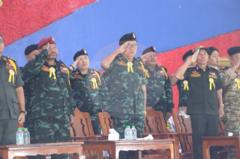
The European Union has imposed sanctions on the Democratic Karen Buddhist Army (DKBA) and its leadership. This action is a direct consequence of the group's alleged involvement in operating numerous fraudulent financial centers. These centers are believed to be instrumental in large-scale money laundering and other financial crimes. The sanctions are part of a broader international effort to curb illicit financial activities and hold accountable those who facilitate them. The news was reported on July 31st, highlighting a significant development in the region and globally. The EU's decision underscores its commitment to combating financial fraud and its extraterritorial reach in enforcing such measures. Further details regarding the specific nature of the fraud centers and the extent of the DKBA's involvement are expected to emerge.
The EU's sanctions against the DKBA and its leaders highlight the increasing global focus on combating financial fraud and its nexus with non-state armed groups. By targeting entities facilitating these operations, the EU aims to disrupt illicit financial flows that can potentially fund conflict or other destabilizing activities. This move reflects a strategic approach to leverage economic pressure as a tool for influencing behavior and promoting stability, particularly in regions where governance may be weak. The long-term effectiveness of such sanctions will depend on sustained international cooperation and the ability to demonstrably link financial illicit activities to tangible negative outcomes that the sanctions are designed to prevent.
AI-generated to prompt reflection — not editorial opinion, not advice, not a statement of fact. How this works.