EU Sanctions on Russia: Effectiveness and Challenges
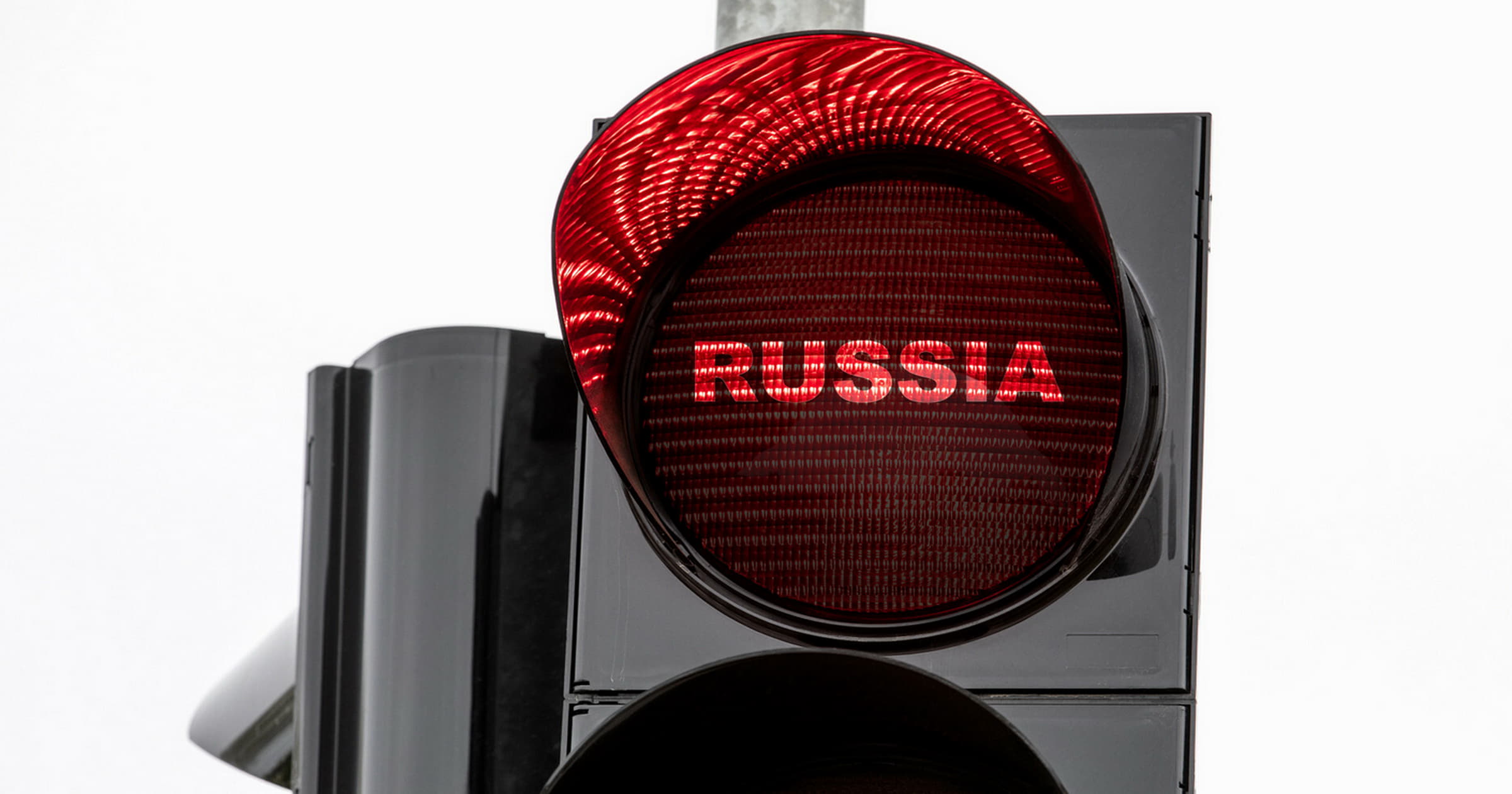
The European Union has implemented 21 rounds of sanctions targeting Russia's economy. These measures are designed to impact various sectors and limit Russia's ability to finance its military actions. The effectiveness of these sanctions is a key point of discussion, with proponents arguing they are gradually weakening the Russian economy and hindering its war efforts. However, the process of adopting and enforcing these sanctions presents significant challenges for the EU member states.
Disagreements among member nations regarding the scope, severity, and implementation details often lead to lengthy negotiations and compromises. These complexities arise from diverse national economic interests, geopolitical considerations, and varying levels of dependence on Russian resources. The article explores the mechanisms through which EU sanctions are intended to operate, such as restricting access to technology, freezing assets, and limiting trade. It also delves into the reasons behind the difficulties in achieving unanimous agreement, highlighting the intricate political and economic landscape within the EU.
The ongoing implementation of EU sanctions against Russia highlights the complex interplay between geopolitical objectives and economic statecraft. While sanctions aim to exert pressure and alter the behavior of targeted states, their efficacy is often contingent on the degree of international cooperation, the adaptability of the sanctioned economy, and the willingness of sanctioning bodies to absorb potential economic repercussions. The challenges in achieving consensus among EU member states underscore the inherent difficulties in aligning diverse national interests within a supranational framework, particularly when confronting a major global energy and commodity supplier. Future iterations of such measures will likely necessitate more sophisticated strategies to circumvent circumvention and address systemic vulnerabilities, while also considering the long-term implications for global economic stability and energy markets.
AI-generated to prompt reflection — not editorial opinion, not advice, not a statement of fact. How this works.