EU Sanctions Package Against Russia Criticized as Full of Holes
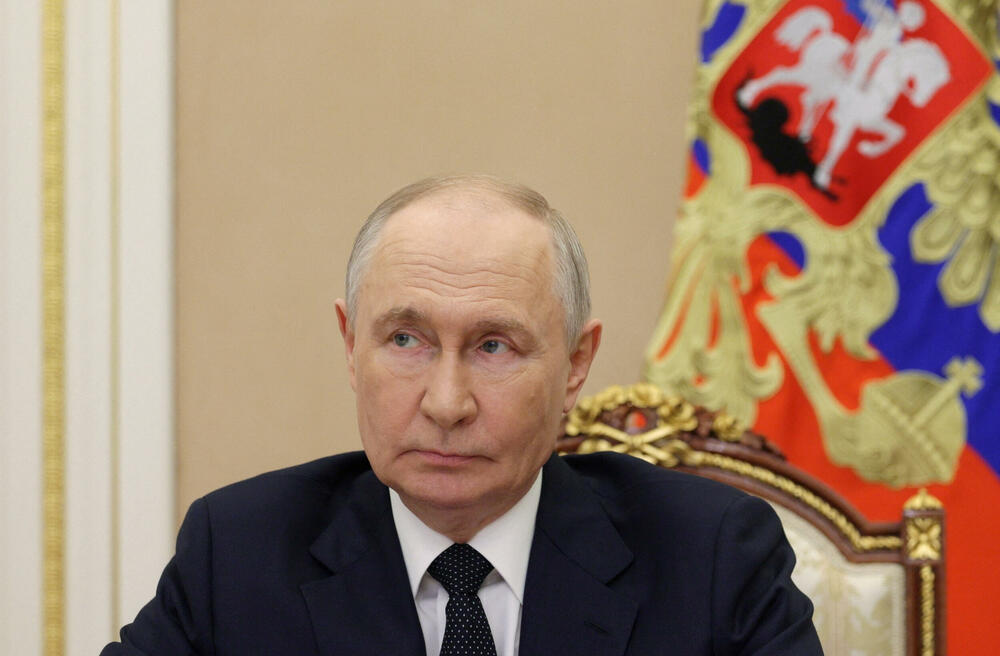
A new package of European Union sanctions against Russia is reportedly riddled with inconsistencies, leading to criticism that it resembles "Swiss cheese." The core issue is the lack of unanimous agreement among all 27 EU member states on the entirety of the proposed measures. This internal discord prevents the full implementation of the sanctions, as consensus is required for their approval. The report suggests that these ongoing disagreements highlight persistent challenges within the EU in formulating a unified and effective strategy towards Russia. The inability to finalize the sanctions package raises questions about the bloc's cohesion and its capacity to exert unified pressure on Moscow. Further details on the specific points of contention or the nature of the "holes" within the sanctions were not provided in the initial report.
The reported "Swiss cheese" nature of the EU's sanctions package against Russia suggests a potential divergence in strategic priorities or economic interests among member states. This fragmentation can dilute the intended impact of sanctions, creating loopholes that may be exploited, thereby diminishing their effectiveness as a geopolitical tool. The requirement for unanimous consent, while intended to ensure solidarity, can become a point of vulnerability, allowing individual member states to exert disproportionate influence or block measures that do not align with their specific national interests. Moving forward, the EU may need to explore alternative mechanisms for decision-making or enforcement that can overcome such internal divisions to present a more cohesive front.
AI-generated to prompt reflection — not editorial opinion, not advice, not a statement of fact. How this works.