EU Sanctions Six Russians Over Navalny's Death and Chemical Weapons Development
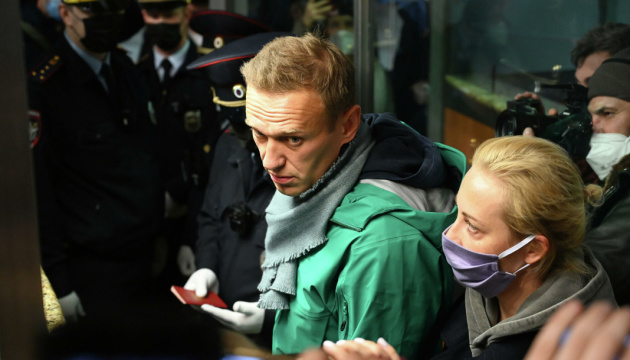
The Council of the European Union has decided to implement restrictive measures against six Russian Federation citizens. These individuals are implicated in the development of chemical weapons, specifically epibatidine. This substance was reportedly found in the body of Alexei Navalny following his death in a Russian correctional facility. The sanctions aim to hold those responsible accountable for their involvement in such activities. The EU's decision underscores its commitment to addressing the use of chemical weapons and human rights violations. Further details on the specific roles of the sanctioned individuals were not immediately available. The move signals a continued stance by the EU against actions deemed destabilizing or harmful.
The EU's imposition of sanctions on individuals linked to chemical weapons development and Alexei Navalny's death reflects a strategic response to perceived state-sponsored aggression and human rights abuses. This action highlights the EU's utilization of economic and political tools to influence the behavior of state and non-state actors. By targeting individuals involved in chemical weapons, the EU reinforces international norms against their proliferation and use, while the connection to Navalny's death signals a broader concern for political repression. The effectiveness of these sanctions will depend on their enforcement and potential for broader international cooperation, as well as the target individuals' susceptibility to such measures. This approach frames the conflict within a framework of international law and governance, aiming to deter future transgressions by imposing costs on perceived wrongdoers.
AI-generated to prompt reflection — not editorial opinion, not advice, not a statement of fact. How this works.