EU Seeks Stricter Migration Measures Following Ceuta Events
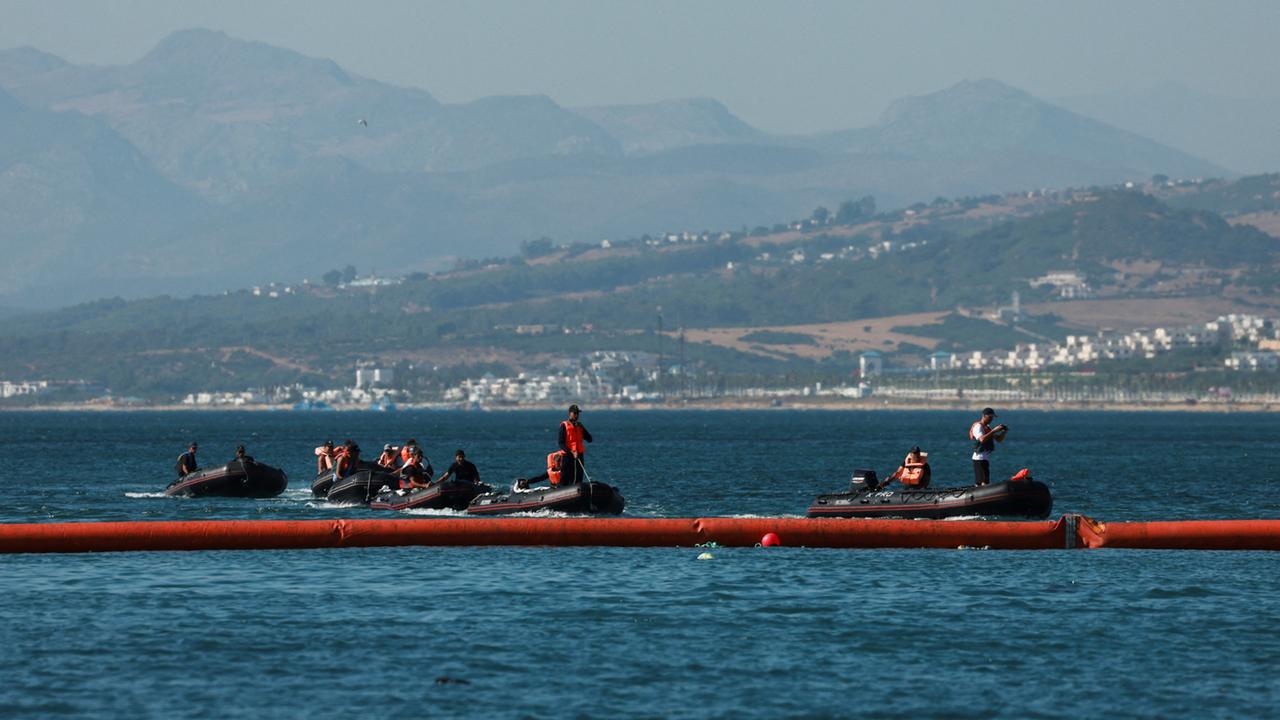
The influx of tens of thousands of people into the Spanish enclave of Ceuta has alarmed European Union member states. In response, efforts are underway to identify the root causes of this migration surge and to implement more stringent measures to control it. Some of these measures have already been put into practice. The situation in Ceuta highlighted the vulnerability of EU external borders and the challenges associated with managing large-scale irregular migration flows. Discussions among EU nations are focusing on a multi-faceted approach, potentially involving enhanced border security, cooperation with transit countries, and addressing the underlying socioeconomic and political factors that drive migration. The urgency to act stems from the potential for similar events to occur elsewhere along the EU's extensive borders. The effectiveness and ethical implications of these proposed stricter measures are likely to be subjects of ongoing debate within the EU and among international human rights organizations. The events serve as a stark reminder of the complex and persistent nature of global migration challenges.
The events in Ceuta underscore the persistent tension between national border control imperatives and the humanitarian realities of global displacement. EU policy responses are likely to prioritize enhanced security and externalization of border management, reflecting a common pattern in response to migration pressures. Future policy will need to balance these security concerns with the long-term challenges of demographic shifts and the integration of migrant populations. The effectiveness of stricter measures will depend on addressing the root causes of migration, which often lie in factors beyond the immediate control of transit or destination countries, such as political instability and economic hardship in origin countries. A forward-looking approach might consider how evolving geopolitical landscapes and climate change could exacerbate migration flows in the coming decade, necessitating more sustainable and cooperative international frameworks.
AI-generated to prompt reflection — not editorial opinion, not advice, not a statement of fact. How this works.