EU Signals Trade War Against China Over Subsidized Exports
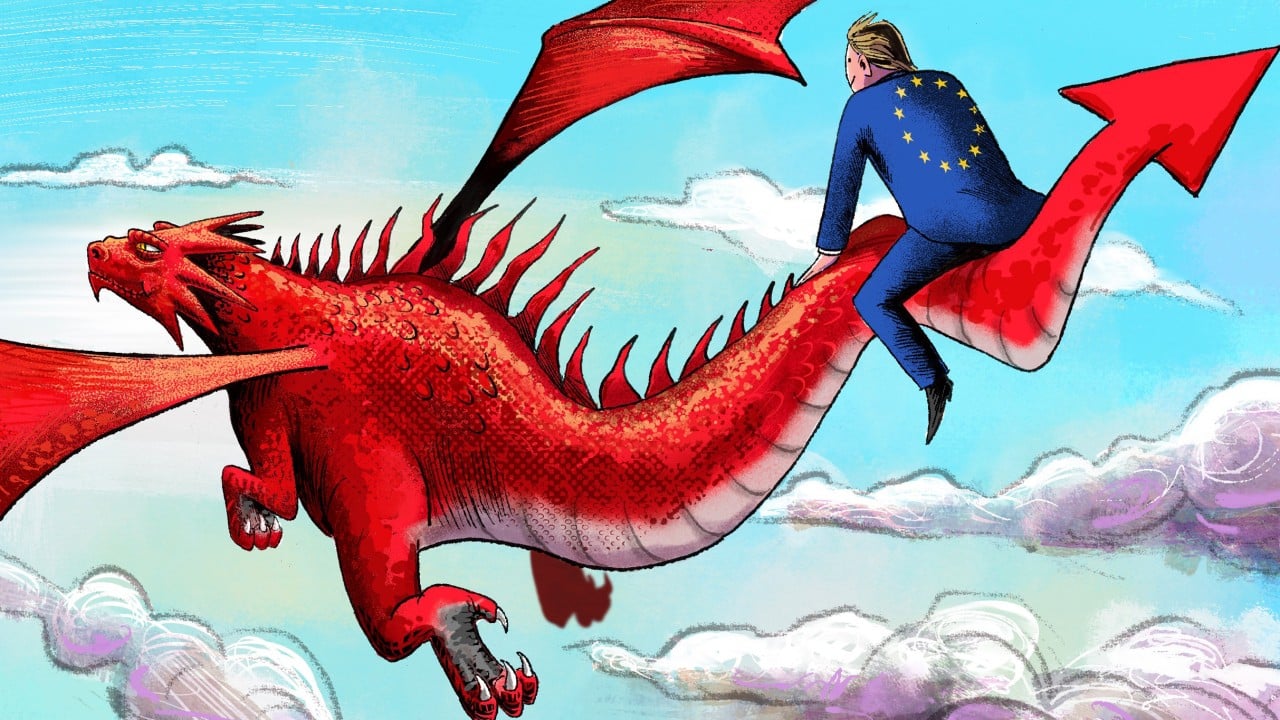
The European Commission is preparing to launch a trade war against China, moving beyond verbal threats to imminent decisions. This action aims to counter the "China shock 2.0," a surge of subsidized Chinese exports including electric vehicles (EVs), solar panels, and batteries. The EU's move draws parallels to historical trade disputes, such as the EU's conflict with Japan in the 1970s and 1980s. The commission's intent is to address the competitive disadvantages faced by European industries due to these heavily subsidized Chinese goods. This proactive stance suggests a significant shift in the EU's trade policy towards China. The potential consequences of this trade war could reshape global supply chains and international trade relations. The EU's decision reflects growing concerns over unfair trade practices and their impact on domestic economies. This development marks a critical juncture in EU-China economic relations.
The European Commission's potential trade war against China over subsidized exports highlights a critical juncture in global trade dynamics. This strategic move reflects a desire to protect domestic industries from competitive pressures stemming from state-backed Chinese enterprises, particularly in sectors like EVs and renewable energy. The comparison to past trade conflicts suggests a pattern of developed economies reacting to perceived unfair competition from emerging manufacturing powerhouses. As the world navigates an era increasingly defined by technological competition and supply chain resilience, such trade actions could have far-reaching implications. The EU's approach may signal a broader trend towards protectionist measures or a recalibration of international trade rules to accommodate the realities of state capitalism and industrial policy. The long-term success of this strategy will depend on its ability to foster sustainable domestic growth without triggering retaliatory measures that could destabilize global markets or hinder the transition to a green economy.
AI-generated to prompt reflection — not editorial opinion, not advice, not a statement of fact. How this works.