EU struggles to implement ban on Russian oil tanker shipments
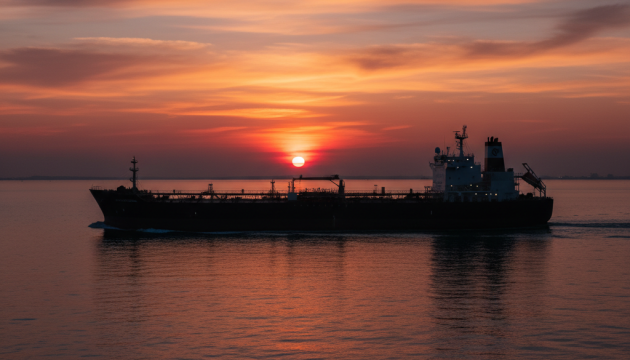
The European Union faces significant challenges in implementing a proposed ban on maritime shipments of Russian oil. European Commission President Ursula von der Leyen initiated the idea earlier this year, aiming for a complete prohibition on Russian oil tanker transport. However, a confluence of factors has plunged this sanctions initiative into political uncertainty. The proposed ban is encountering substantial obstacles within the bloc, making its full realization questionable. Specific details regarding the 'several factors' causing this uncertainty were not provided in the source material. The initiative, intended as a punitive measure against Russia, is now in a state of flux. The effectiveness and feasibility of such a broad maritime embargo are being re-evaluated amidst these challenges. The political will and consensus required for such a decisive economic action appear to be wavering. This situation highlights the complexities of imposing unified sanctions within the EU, especially concerning energy imports.
The EU's difficulty in enacting a ban on Russian oil tanker shipments suggests a tension between geopolitical objectives and economic realities. The proposed sanction highlights the intricate interdependence of global energy markets and the potential for unintended consequences on member states' economies. The political uncertainty surrounding the initiative may stem from differing national dependencies on Russian energy, varying economic impacts, and the logistical challenges of rerouting or replacing such a significant volume of oil. This situation underscores the need for robust contingency planning and a thorough assessment of all actors' vulnerabilities when designing comprehensive sanctions regimes. Future policy decisions will likely need to balance the imperative for decisive action with the pragmatic requirements of economic stability and energy security for all member nations.
AI-generated to prompt reflection — not editorial opinion, not advice, not a statement of fact. How this works.
