EU Tightens Steel Imports, Angering Allies and Sparking Accusations of Blackmail
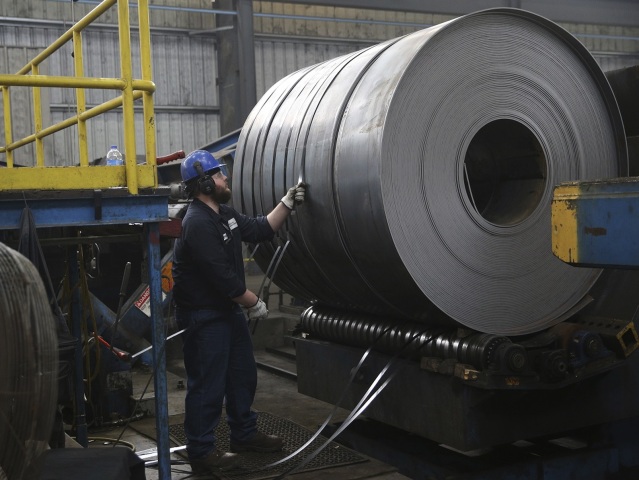
The European Union has intensified its measures regarding steel imports, aiming to shield its domestic steel industry from the competitive pressures of inexpensive imports, particularly from China, and the growing influence of the United States. This move, however, has not only drawn criticism but has also angered key allies. Diplomatic sources have described the EU's approach as "blackmail," indicating significant friction caused by the new regulations. The intention behind these stricter import rules is to bolster the European steel sector against what is perceived as unfair competition and market imbalances.
The EU's decision to tighten steel import regulations reflects a common challenge faced by industrial blocs seeking to balance domestic protectionism with international trade relations. While safeguarding national industries is a legitimate policy objective, the implementation can create diplomatic tensions and accusations of protectionist overreach, especially when impacting allies. This situation highlights the inherent conflict between national economic interests and the principles of open trade, potentially leading to retaliatory measures or strained geopolitical alliances. Future trade policies will likely need to navigate these complex dynamics, seeking more collaborative solutions that acknowledge global market realities and the interconnectedness of major economies.
AI-generated to prompt reflection — not editorial opinion, not advice, not a statement of fact. How this works.