EU to Aid Hungary and Slovakia in Diversifying Away from Russian Oil
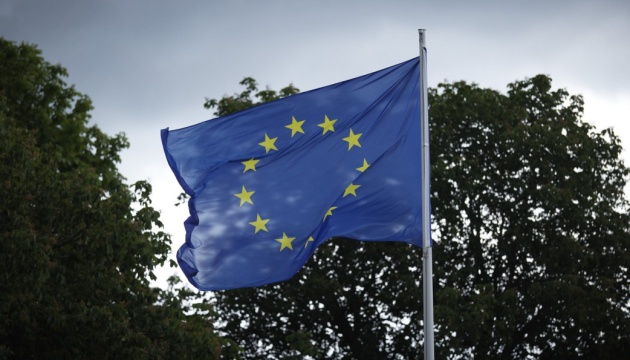
The European Union is preparing to assist Hungary and Slovakia in reducing their reliance on Russian oil. This initiative comes in response to threats to oil supply security through the "Druzhba" pipeline. These threats are reportedly linked to Russian strikes on Ukraine's energy infrastructure. The EU aims to help these two member states diversify their energy sources and secure alternative supplies. The move underscores the bloc's efforts to mitigate risks associated with energy dependence on Russia, particularly in the context of ongoing geopolitical tensions. By facilitating diversification, the EU seeks to enhance the energy resilience of Hungary and Slovakia. This support is crucial for ensuring stable energy markets within the EU.
The EU's proposed assistance to Hungary and Slovakia highlights the complex geopolitical and economic challenges of energy security within the bloc. By seeking to diversify away from Russian oil, the EU is addressing systemic vulnerabilities exposed by supply disruptions. This strategic pivot reflects a broader trend of re-evaluating energy dependencies in light of international relations and infrastructure security. The initiative aims to bolster member state resilience, balancing national interests with collective EU energy policy objectives. The long-term implications involve navigating market dynamics, investment in alternative infrastructure, and potential shifts in global energy trade flows, all within the evolving landscape of the next decade's energy transition.
AI-generated to prompt reflection — not editorial opinion, not advice, not a statement of fact. How this works.
