EU Urges Nicaragua to Hold Inclusive Elections Amidst Extended Presidential Term
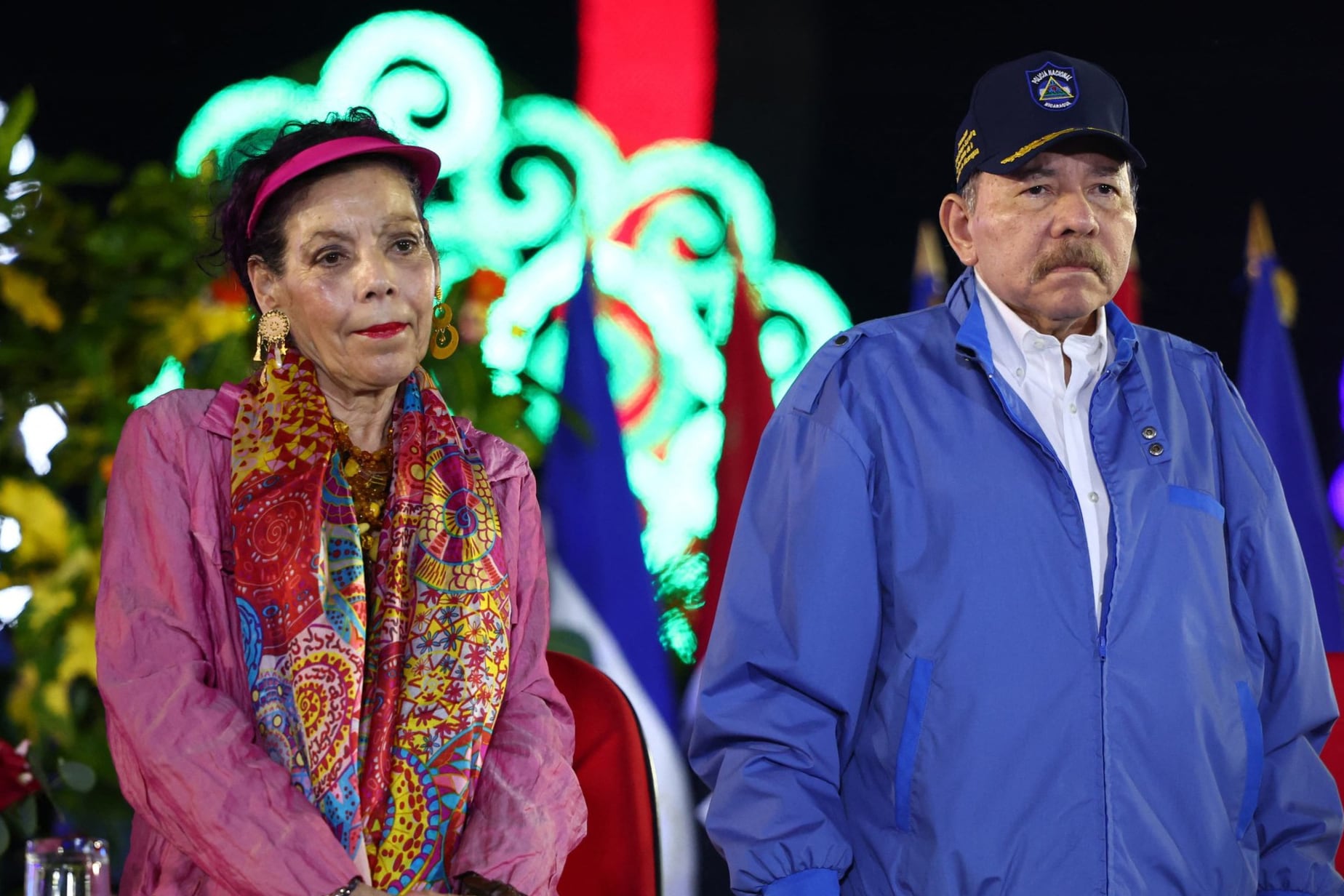
The European Union has called on Nicaragua to hold inclusive general elections, which are scheduled for next November. This call comes despite a significant constitutional reform enacted eighteen months ago that extended the presidential mandate. The reform has raised concerns about the democratic process and electoral fairness in the country. The EU's statement emphasizes the importance of broad participation and transparent procedures for the upcoming elections. Nicaragua's political landscape has been under scrutiny due to these constitutional changes. The international community is watching closely to see how the government will respond to the EU's demands for a more open electoral process. The extended presidential term raises questions about democratic continuity and the opposition's ability to compete effectively. The outcome of these elections will be crucial for Nicaragua's future political stability and its relationship with international partners.
The European Union's call for "inclusive elections" in Nicaragua highlights a recurring tension between constitutional reform and democratic principles. Extending presidential terms can consolidate power, potentially limiting political competition and challenging the spirit of democratic transitions. From a governance perspective, ensuring broad electoral access and transparency is vital for legitimacy. The bloc's appeal suggests a focus on systemic fairness and adherence to international norms of electoral integrity, aiming to foster a more balanced political environment for the future. This situation underscores the ongoing global debate about the balance between national sovereignty in constitutional matters and the international community's interest in democratic standards.
AI-generated to prompt reflection — not editorial opinion, not advice, not a statement of fact. How this works.