EU-US Trade Relations: A Year of Shifting Tariffs and Future Agreements
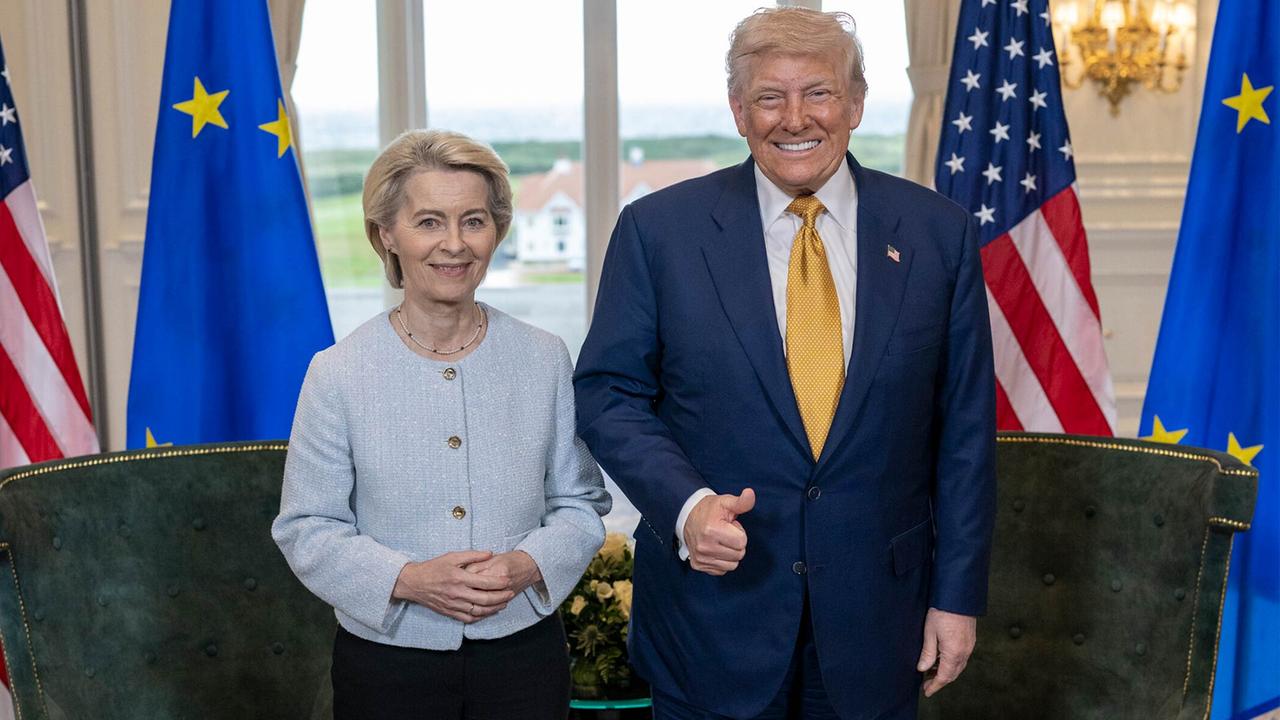
The relationship between the European Union and the United States regarding trade tariffs has been characterized by volatility, with US President Trump frequently altering his approach. This pattern was recently observed in dealings with Canada. In contrast, the EU had reached an agreement with the US in 2025. This summary reflects on the status of that agreement one year after its inception. The dynamic nature of these trade policies suggests ongoing negotiations and potential adjustments to economic strategies between the two major global blocs. The initial agreement aimed to stabilize a sector prone to frequent tariff changes, but its effectiveness is now under review. This period of reassessment is crucial for understanding the future trajectory of transatlantic trade.
The fluctuating tariff policies between the US and EU highlight the inherent instability in ad-hoc trade negotiations driven by political cycles. While the 2025 agreement offered a temporary reprieve, its one-year review underscores the challenges of establishing durable trade frameworks amidst shifting geopolitical priorities. Future trade architecture will likely need to prioritize systemic predictability and dispute resolution mechanisms over bilateral concessions to foster long-term economic stability and mitigate the impact of protectionist impulses on global supply chains and consumer markets.
AI-generated to prompt reflection — not editorial opinion, not advice, not a statement of fact. How this works.