EU Weakens Climate Policy Pillar, Allowing Increased Pollution
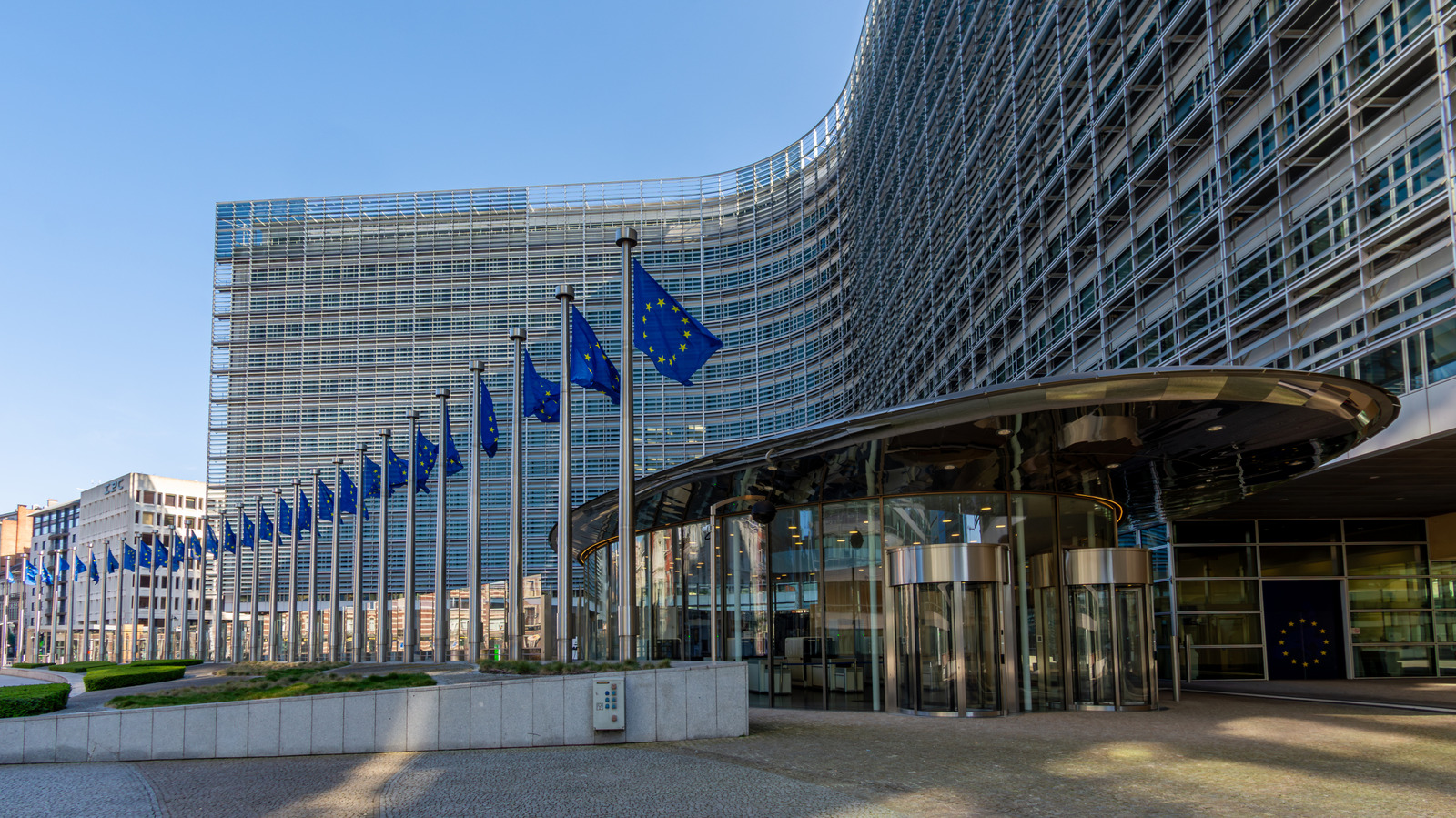
The European Union has made significant changes to a crucial component of its climate policy, a move that is expected to result in increased pollution. This revision to the bloc's climate strategy is being viewed negatively from an environmental perspective. The specific details of the policy update and the exact nature of the "defanging" are not provided in the source material, but the implication is that a mechanism designed to curb emissions has been altered in a way that permits higher levels of pollution. This development raises concerns about the EU's commitment to its stated climate goals and the effectiveness of its legislative tools in combating climate change.
The European Union's adjustment to its climate policy, which permits higher pollution levels, warrants careful examination of the underlying policy architecture and its intended versus actual outcomes. Such revisions may reflect a recalibration of environmental targets against competing economic or industrial pressures. Understanding the specific trade-offs involved, such as potential impacts on energy security or industrial competitiveness, is crucial for assessing the long-term viability of the EU's climate commitments. Future policy iterations will likely need to balance immediate economic considerations with the imperative of achieving net-zero emissions within the context of global climate challenges.
AI-generated to prompt reflection — not editorial opinion, not advice, not a statement of fact. How this works.