EU Won't Ease Health Rules for Brazilian Meat Exports, Says Irish Ambassador
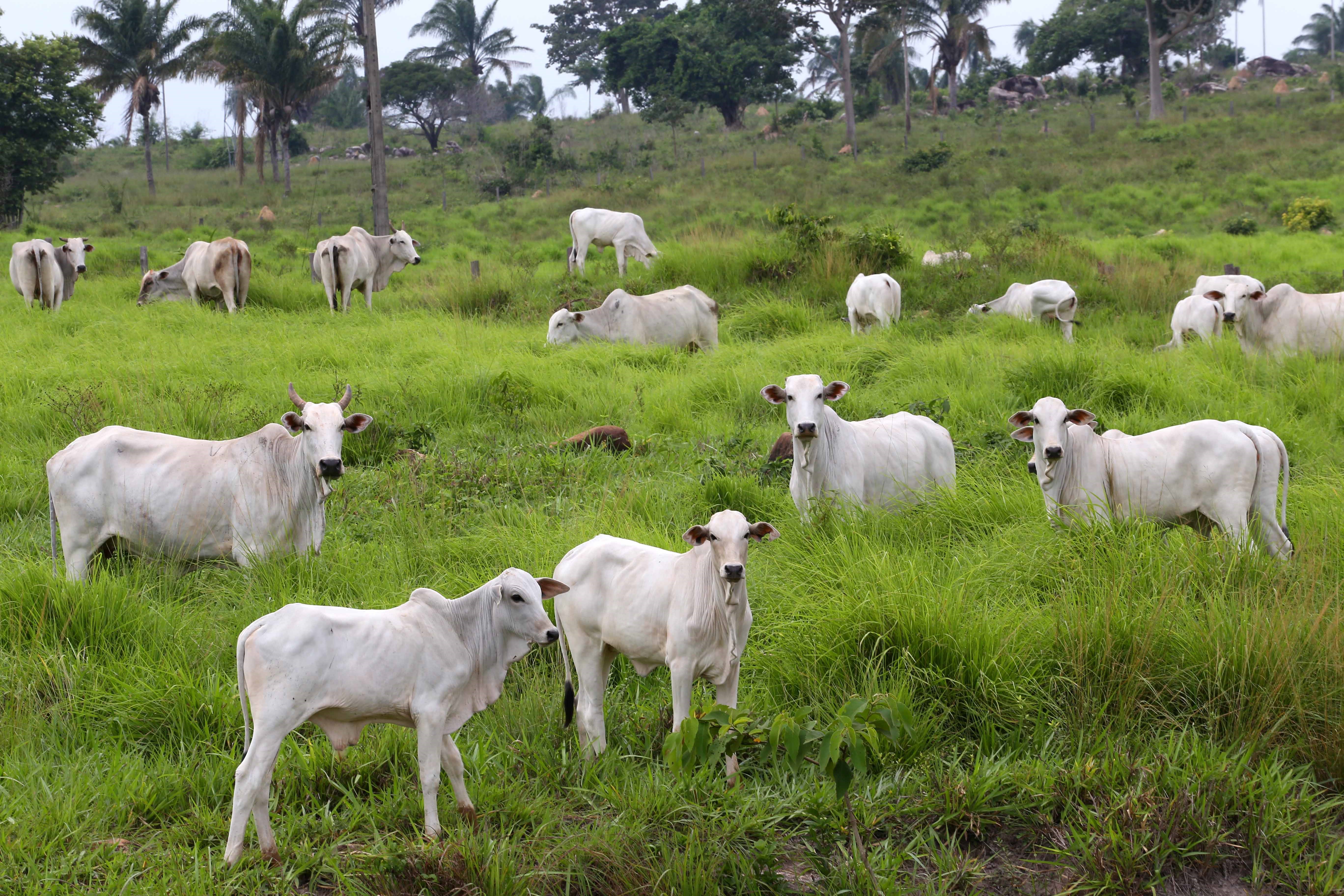
The European Union will not relax its health requirements for Brazilian meat exports, according to Martin Gallagher, Ireland's Ambassador to Brazil. Ireland currently holds the rotating presidency of the EU Council. Gallagher emphasized that the EU's rules on antimicrobial use in animal production are not new and have been under discussion with Brazilian authorities for years. He stated that Brazil's removal from the list of countries authorized to export meat to the EU was a "technical" decision, and it is up to the Brazilian government to implement the necessary measures to meet the required standards.
Antimicrobials are substances used to treat and prevent infections in animals, with some also used as growth promoters, a practice restricted by EU legislation. Brazil was officially removed from the list of countries compliant with EU antimicrobial use control standards in early June, preventing exports of meat and other animal products to the European market starting September 3rd. Previously, Brazil could export beef, chicken, horse meat, casings, fish, and honey to the EU. The Brazilian Meat Exporters Association (Abiec) has expressed concerns that the country may not adapt to the new rules in time, citing the 30-month production cycle for cattle as a significant challenge. Gallagher noted that other South American countries have met EU requirements and remain authorized exporters, underscoring that the EU's criteria are objective: compliance ensures continued export access.
Despite the decision, Gallagher confirmed that Brazil and the European Commission are maintaining dialogue to find a solution, and the EU remains open to negotiations. He explained that Brazil needs to establish a system to guarantee compliance with European health requirements, and while the EU is willing to discuss adaptation strategies, the responsibility ultimately lies with Brazilian authorities. Gallagher drew a parallel to Brazil's own import requirements, stating the EU applies the same principle. He could not predict if a resolution would be reached before the September 3rd suspension date but expressed optimism that the impasse could be resolved through ongoing dialogue. He also commented on the Mercosur-EU trade agreement, noting a significant increase in Brazilian exports to the EU in the first two months of its implementation, suggesting positive initial effects.
The EU's firm stance on sanitary requirements for Brazilian meat exports highlights the critical importance of regulatory compliance in international trade, particularly concerning public health and food safety. While Brazil faces challenges in adapting its production systems to meet EU standards on antimicrobial use, the EU's position is framed as a technical, objective application of its established regulations, consistent with its approach to imports from other nations. This situation underscores the potential for systemic friction when differing regulatory frameworks and production cycles intersect, especially within the context of evolving global trade agreements. The emphasis on dialogue and Brazil's responsibility to implement necessary changes suggests a pathway forward, contingent on robust domestic policy and enforcement, rather than immediate concessions from the EU. This event also serves as a reminder of the long-term implications of adherence to international standards for market access and the potential economic consequences of non-compliance in an increasingly interconnected global economy.
AI-generated to prompt reflection — not editorial opinion, not advice, not a statement of fact. How this works.