Euclid Telescope Discovers Ancient Quasars from Early Universe
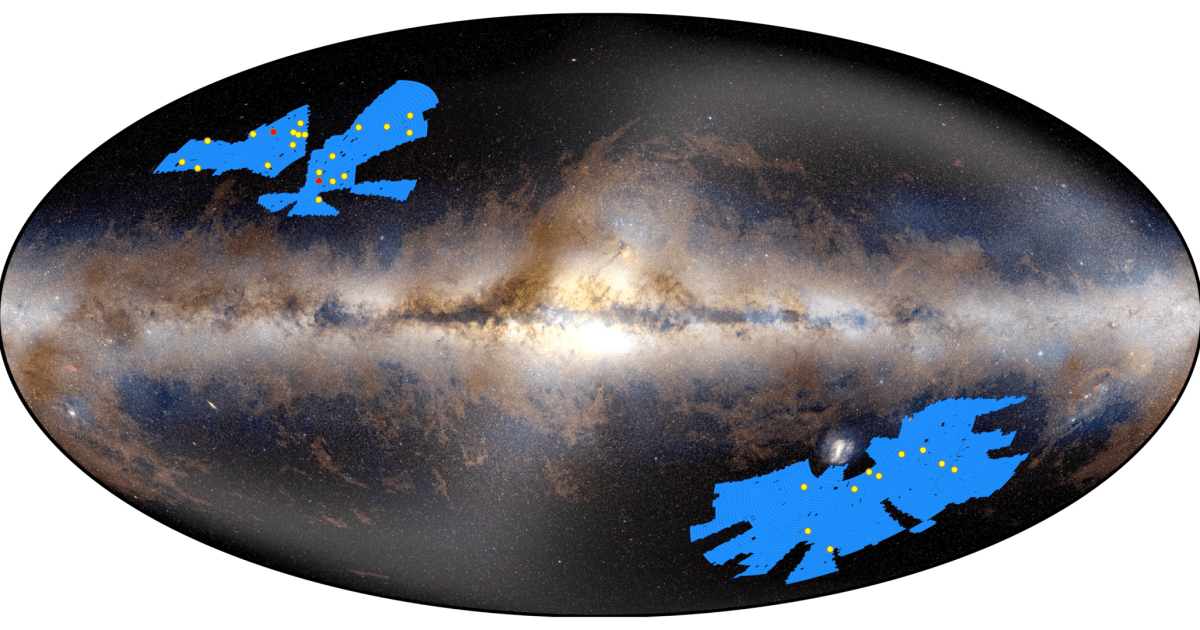
The European Space Agency's (ESA) Euclid space telescope has identified the oldest quasars ever recorded, shedding light on the universe's early development. These bright galactic cores were active when the universe was only 670 million years old. In total, Euclid detected 31 new quasars from the universe's first billion years. Among these discoveries are two quasars that have set new records for their age. This finding provides valuable data for understanding the formation and evolution of galaxies and supermassive black holes in the nascent cosmos. The observations contribute to a broader scientific effort to map the universe and its history.
The discovery of these ancient quasars by the Euclid telescope offers a unique window into the universe's formative stages, approximately 670 million years after the Big Bang. By observing these early energetic phenomena, scientists can refine models of galaxy formation and the growth of supermassive black holes in an era when the universe was vastly different. This data is crucial for understanding the cosmic dawn and the subsequent evolution of large-scale structures. The continued operation of advanced observatories like Euclid is essential for pushing the boundaries of cosmological knowledge and addressing fundamental questions about the universe's origins and development over cosmic timescales.
AI-generated to prompt reflection — not editorial opinion, not advice, not a statement of fact. How this works.