Eurojackpot Rolls Over, Next Draw Boasts at Least €32 Million
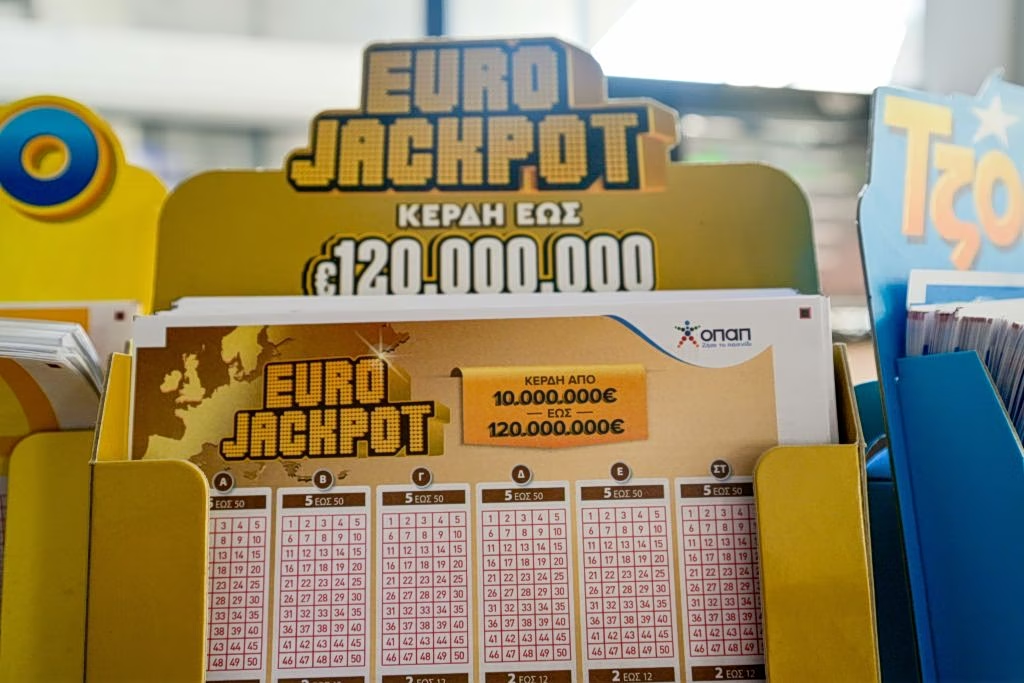
A new jackpot has been registered in the Eurojackpot lottery, meaning the prize pool for the upcoming draw will significantly increase. The next Eurojackpot drawing is scheduled for Friday, July 10th. At that time, the lottery is expected to distribute a minimum of €32 million to the lucky winner or winners. The previous draw, which had a jackpot of €23 million, did not yield any first-prize winners. This rollover creates a substantial opportunity for players in the next round. The Eurojackpot is a transnational lottery that takes place twice a week, on Tuesdays and Fridays. It is played in 18 European countries. The game involves players selecting five main numbers from 1 to 50 and two additional numbers, known as "Euro numbers," from 1 to 12. The jackpot is won by matching all seven numbers drawn. The accumulation of prizes occurs when no ticket matches all the winning numbers in a given draw.
The rollover of the Eurojackpot prize from €23 million to a minimum of €32 million for the July 10th draw illustrates a common dynamic in large-scale lottery systems. These systems are designed to accumulate significant wealth for a single winner through the mechanism of rollovers, thereby increasing player engagement and ticket sales with each subsequent draw. From a behavioral economics perspective, the increased jackpot size acts as a powerful incentive, potentially amplifying participation despite the statistically low odds of winning. This structure highlights a tension between the entertainment value and the financial realities for the vast majority of participants, who contribute to the growing prize pool without expectation of personal gain. The system's sustainability relies on a continuous influx of players motivated by the dream of a life-altering sum, underscoring the role of large-prize lotteries as a form of voluntary wealth redistribution, albeit with a significant house edge.
AI-generated to prompt reflection — not editorial opinion, not advice, not a statement of fact. How this works.