Europa's subsurface ocean may be harder to access than previously believed
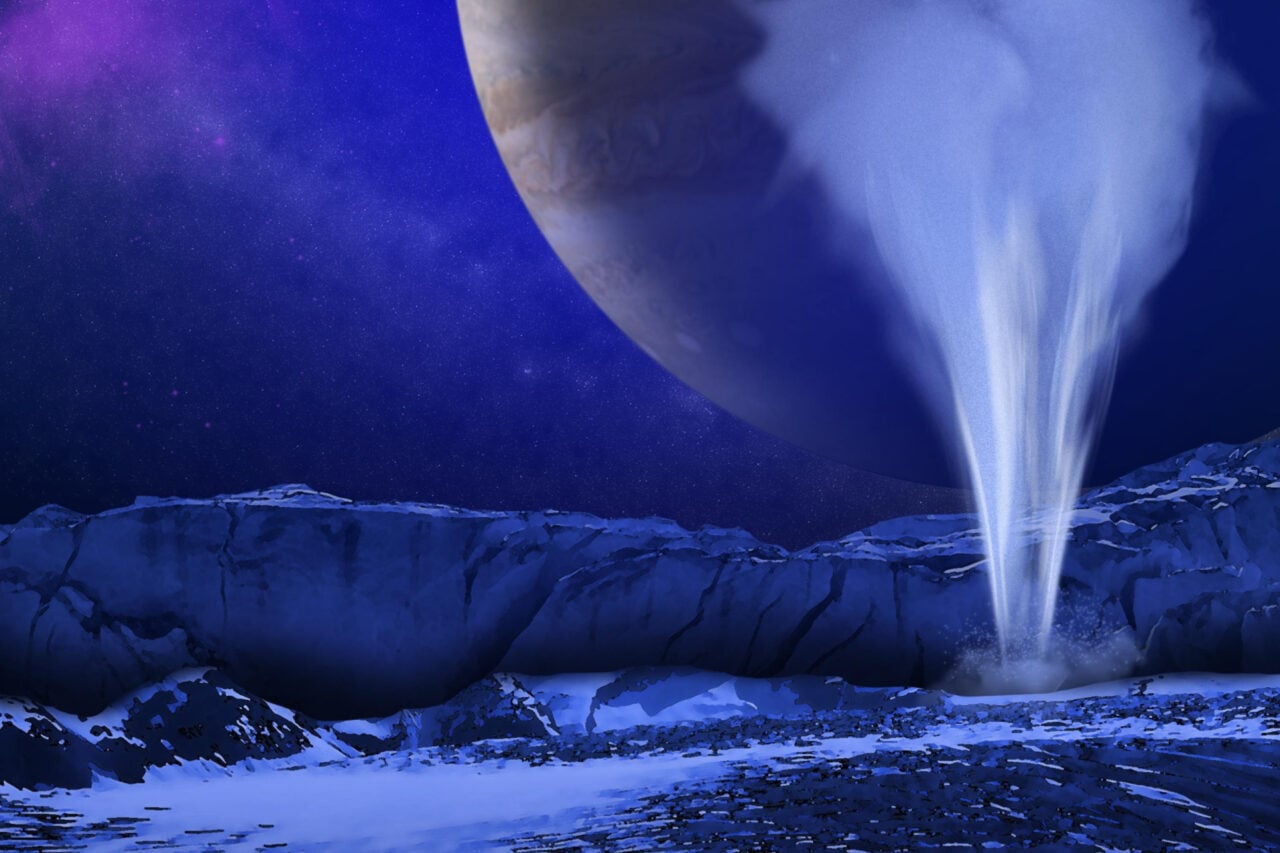
Scientists have long theorized that the small surface water pools observed on Jupiter's moon Europa originate from its vast, deep ocean hidden beneath its icy crust. However, new considerations are questioning the physical feasibility of this connection. The assumption has been that these surface reservoirs are direct conduits to the moon's internal ocean, allowing for easier study of its composition and potential habitability. Recent scientific discussions are now exploring whether the processes involved in bringing ocean water to the surface are as straightforward as once thought. This re-evaluation could significantly impact future mission planning and the scientific approaches taken to investigate Europa's potential for life. The accessibility of Europa's ocean has been a key factor in its allure for astrobiological research.
The scientific community's evolving understanding of Europa's subsurface ocean accessibility highlights the dynamic nature of scientific inquiry. Initial assumptions about direct hydrological links between surface features and the deep ocean are being refined through rigorous physical modeling. This process of re-evaluation is crucial for optimizing resource allocation in space exploration, ensuring that future missions are designed with the most accurate scientific understanding. The challenge of accessing Europa's ocean underscores the broader technological and scientific hurdles in exploring ocean worlds within our solar system and beyond, prompting consideration of alternative methods and technologies for indirect observation and sampling.
AI-generated to prompt reflection — not editorial opinion, not advice, not a statement of fact. How this works.