Europe Agrees to Iran's 'Service Fee' for Hormuz Strait Transit
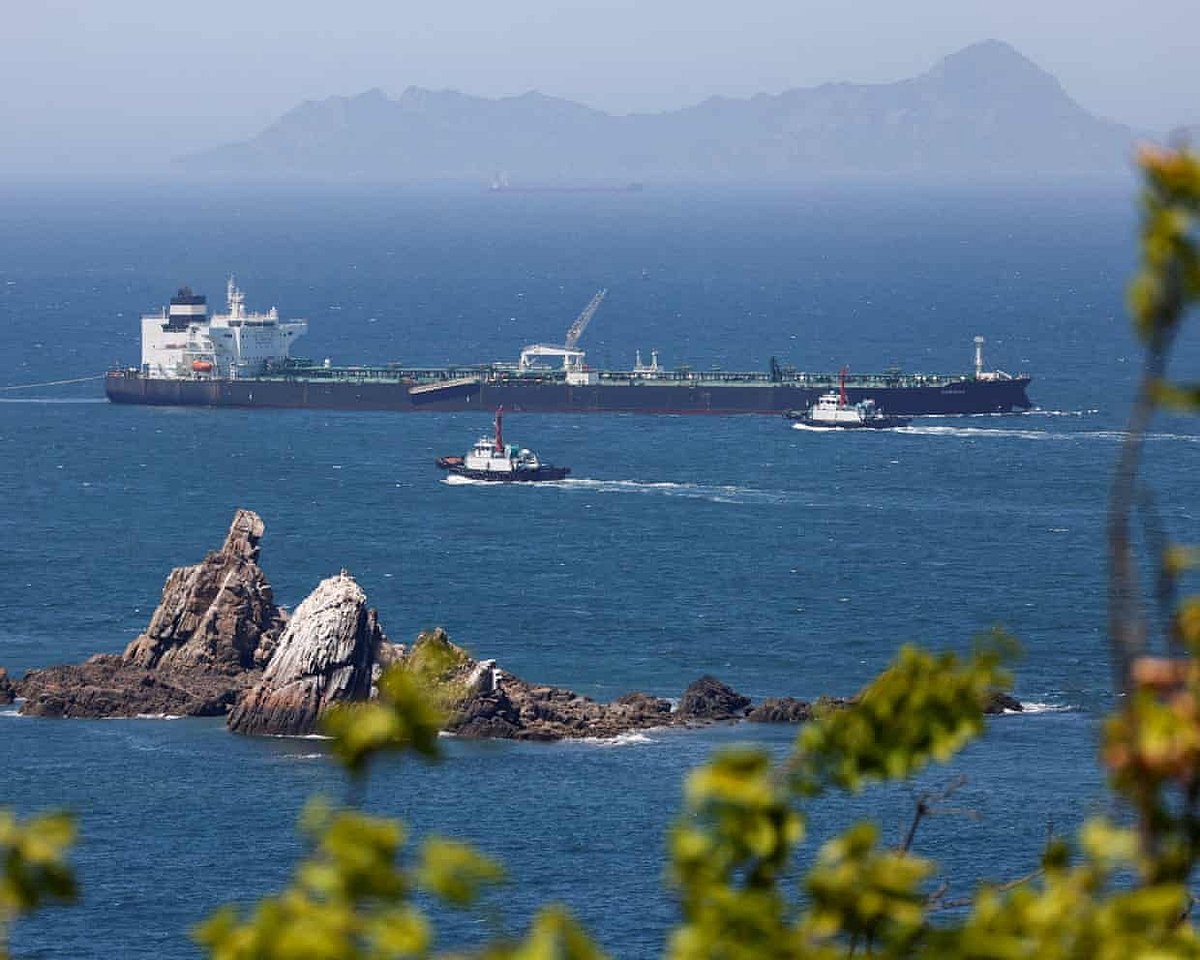
A disagreement has emerged between Iran, the United States, and European nations regarding the imposition of tolls on ships transiting the Strait of Hormuz, a critical route for global energy trade. Tehran seeks to assert control over the vital waterway. European countries have reportedly agreed to pay a 'service fee' to Iran for passage through the Strait of Hormuz. This agreement aims to ensure the smooth passage of vessels and maintain the flow of energy supplies. The exact amount of the fee and the specific terms of the agreement have not been publicly disclosed. The Strait of Hormuz is a strategically important chokepoint, with a significant portion of the world's oil and gas passing through it daily. Iran's assertion of control and the subsequent imposition of fees have been a point of contention with the United States, which advocates for freedom of navigation in international waters. The European Union's decision to comply with Iran's demands suggests a pragmatic approach to securing energy interests amidst geopolitical tensions.
The agreement by European nations to pay a 'service fee' to Iran for passage through the Strait of Hormuz highlights the complex interplay of geopolitical leverage and economic necessity. This arrangement, while potentially ensuring the continuity of energy flows, could be interpreted as a de facto acknowledgment of Iran's asserted control over a critical international waterway. From a systemic perspective, such bilateral agreements can create precedents that challenge established norms of maritime freedom and potentially incentivize other states to impose similar transit fees. The long-term implications for global trade routes and international maritime law warrant careful consideration, particularly in an era where energy security remains a paramount concern for many nations. This situation underscores the ongoing tension between national sovereignty claims and the principles of unimpeded international commerce.
AI-generated to prompt reflection — not editorial opinion, not advice, not a statement of fact. How this works.