Europe Aims to Catch Up to China in EVs by 2028 Using Imported Technology
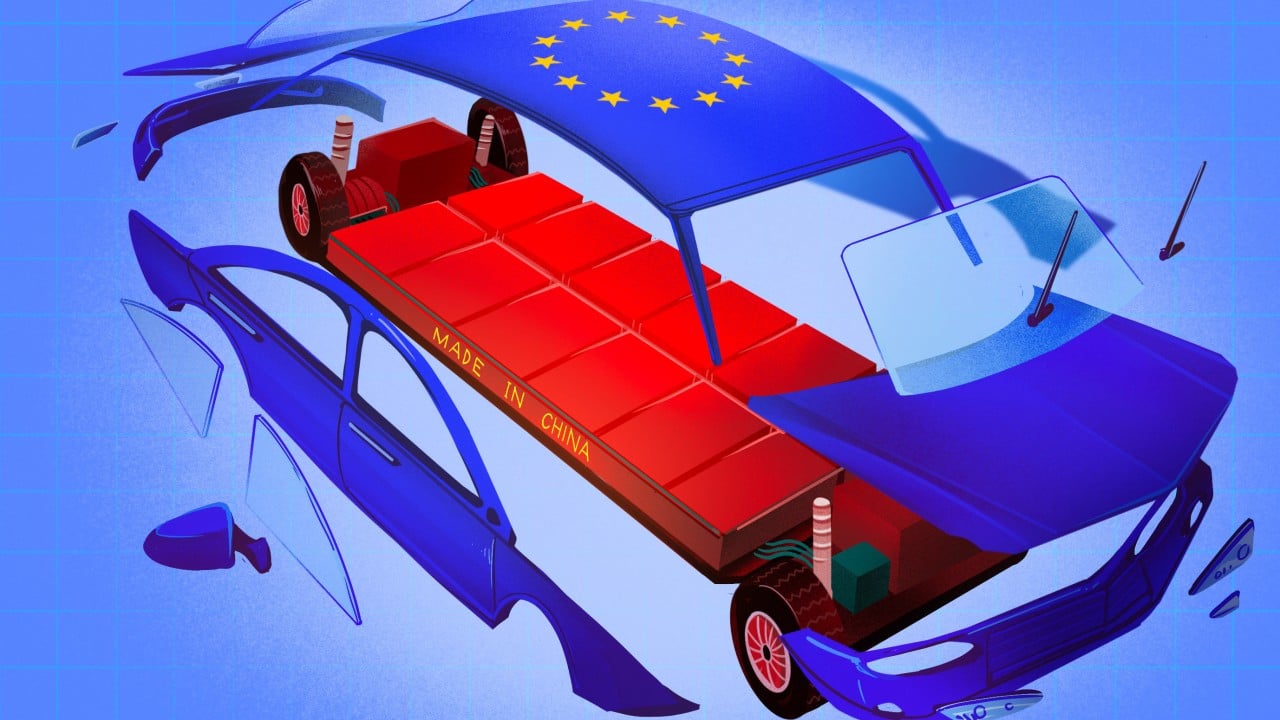
European policymakers are concerned about the growing influx of affordable and sophisticated electric vehicles (EVs) from Chinese manufacturers, which pose a significant threat to the continent's automotive industry. This sector is a cornerstone of European industry, directly and indirectly supporting over 13 million jobs within the EU. The "Made in EU" initiative aims to leverage Chinese technological advancements to bolster the European automotive sector and regain competitiveness. The strategy involves adapting and integrating key technologies developed in China to accelerate Europe's EV production and innovation. This approach acknowledges the current technological lead held by Chinese companies in certain aspects of EV manufacturing and battery technology. The goal is to achieve parity with China's EV market by 2028, ensuring the long-term viability of a crucial European industry. Policymakers are exploring various avenues, including joint ventures, technology licensing, and strategic partnerships, to facilitate this technological transfer. The initiative underscores a shift in European industrial strategy, moving from protectionism to a more pragmatic approach of adopting and adapting leading global technologies. The success of this plan is critical for maintaining Europe's position in the global automotive landscape amidst rapid technological change and intense international competition.
Europe's 'Made in EU' initiative reflects a strategic pivot in response to China's rapid ascent in the EV market. By seeking to integrate Chinese technological advancements, the EU acknowledges the need to adapt to evolving global industrial dynamics rather than solely relying on traditional strengths. This approach highlights the tension between fostering domestic innovation and the pragmatic imperative to adopt proven, cost-effective technologies to remain competitive. The 2028 target suggests an awareness of the accelerating pace of technological obsolescence and the critical need for swift adaptation. The success of this strategy will likely depend on navigating complex intellectual property considerations, fostering genuine collaboration, and ensuring that the adoption of foreign technology stimulates, rather than stifles, long-term European R&D capacity and industrial autonomy.
AI-generated to prompt reflection — not editorial opinion, not advice, not a statement of fact. How this works.