Europe Allocates €5 Billion for AI Supercomputing Facilities to Compete Globally
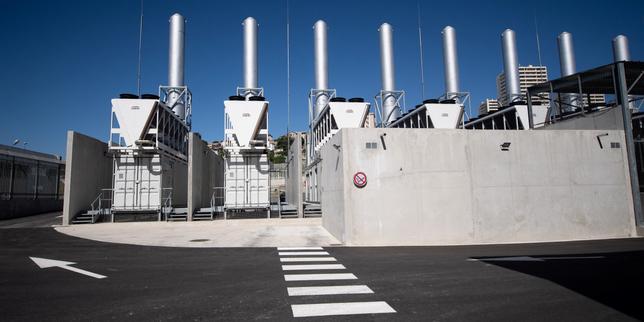
The European Commission has launched a call for tenders to fund the creation of seven major facilities dedicated to training artificial intelligence models. This initiative represents a significant investment of 5 billion euros aimed at bolstering Europe's capabilities in the AI sector and addressing its current lag behind the United States and China. These large-scale structures are intended to provide the computational power necessary for developing advanced AI, a critical area for future technological and economic competitiveness. However, the project faces considerable challenges, including potential budget uncertainties and the need to adhere to stringent environmental standards. Furthermore, there is a notable concern regarding Europe's ongoing dependence on American technology and infrastructure in the AI domain. The success of this ambitious plan will hinge on overcoming these hurdles and fostering a robust European AI ecosystem.
Europe's substantial investment in AI supercomputing infrastructure signals a strategic intent to reduce its reliance on external technological giants and foster indigenous innovation. The initiative aims to address the critical need for computational resources in AI model training, a bottleneck that has historically hindered European competitiveness against the US and China. While the funding is a positive step, the stated challenges of budget uncertainty, environmental compliance, and dependence on American technology highlight systemic risks. Future success will likely depend on effective governance of these new facilities, fostering collaboration between research institutions and industry, and developing a clear regulatory framework that balances innovation with ethical considerations. The long-term viability of this strategy will be tested by the rapid pace of global AI development and the ability of European entities to scale their capabilities effectively within the next decade.
AI-generated to prompt reflection — not editorial opinion, not advice, not a statement of fact. How this works.