Europe Approves Bionic Eye Implant to Restore Vision
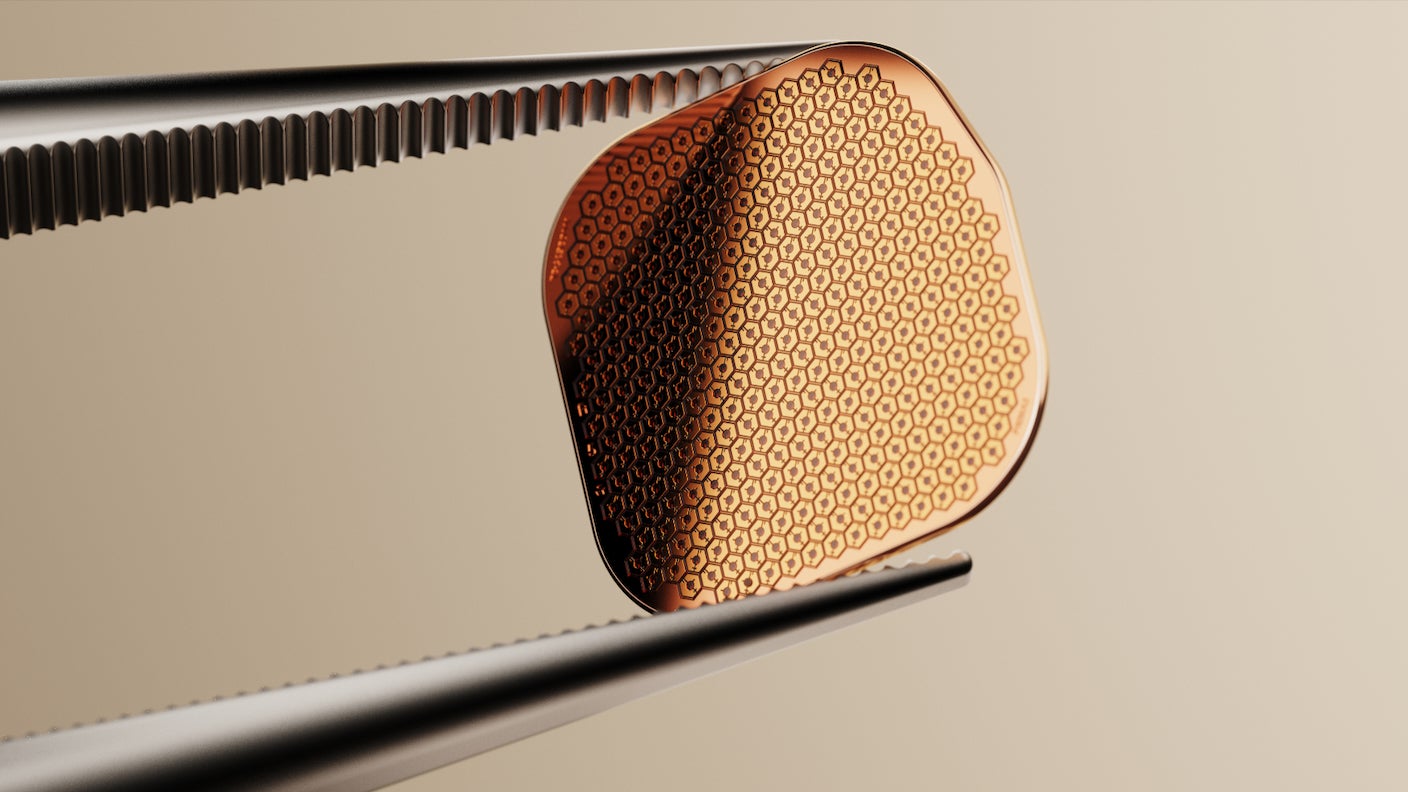
European regulators have approved a bionic eye implant designed to restore vision for individuals suffering from blindness. This groundbreaking device, which is smaller than a grain of rice, works in conjunction with specialized glasses equipped with a camera. The camera captures visual information and transmits it wirelessly to the implant. The implant then stimulates the retina, allowing the brain to interpret these signals as sight. This approval marks a significant step forward in the field of assistive technology for the visually impaired. The device offers a new hope for those who have lost their sight due to various conditions. Further details on the specific conditions it addresses and its availability are expected.
The development represents a major advancement in neurotechnology and bioengineering. The successful integration of electronic components with biological systems is crucial for such innovations. The bionic eye aims to provide a functional level of vision, enabling users to perceive shapes, light, and movement. This could significantly improve their independence and quality of life. The regulatory approval by European authorities underscores the potential of this technology to address a significant unmet medical need.
The European approval of this bionic eye implant signifies a critical advancement in assistive technologies, leveraging the convergence of bioengineering and AI. This development addresses a significant unmet need, offering a tangible pathway to vision restoration for individuals with blindness. From a systems perspective, the device's success hinges on the intricate interplay between hardware (implant, glasses, camera) and biological systems (retina, optic nerve, brain). Future iterations will likely focus on enhancing the resolution and complexity of perceived vision, potentially integrating more sophisticated AI algorithms for image processing within the camera or implant itself. The long-term challenge will involve ensuring the durability and biocompatibility of the implant, alongside managing the ethical considerations and accessibility of such advanced medical technology in the coming decade.
AI-generated to prompt reflection — not editorial opinion, not advice, not a statement of fact. How this works.
