Europe at a Crossroads: NATO-Russia Conflict by 2030?
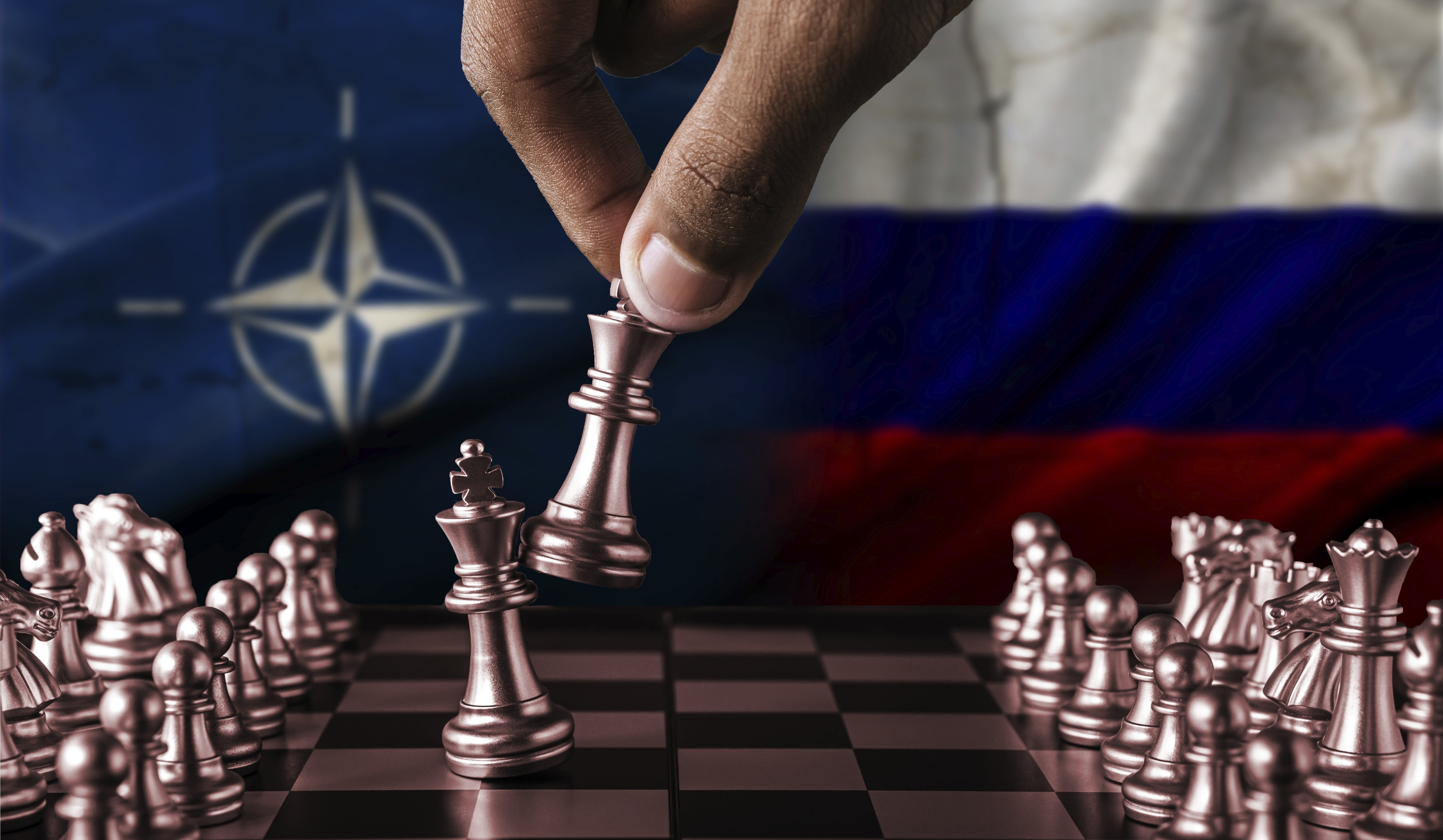
The potential for a NATO-Russia conflict looms large in Europe, with military officers expressing divided opinions on the realism of a 2030 timeline. Recent events in Narva, Estonia, a border city on NATO's eastern flank, have raised concerns. Individuals identified as "Putin's people" have appeared, sowing discord and alleging discrimination against the predominantly Russian-speaking population. This situation is seen by some as the potential beginning of a Russia-NATO conflict scenario. Military officials across Europe believe the most perilous period for the continent could emerge in the years following a peace agreement in Ukraine. The question of whether Russia might attack Estonia is a significant point of discussion and concern among defense analysts and policymakers.
The reported events in Narva, Estonia, highlight the persistent geopolitical tensions along NATO's eastern flank. The alleged actions of "Putin's people" in exacerbating ethnic divisions, if true, represent a tactic to destabilize border regions and test NATO's resolve. The divergence among military officers regarding a 2030 conflict timeline suggests varying threat assessments, possibly influenced by differing interpretations of Russia's long-term strategic intentions and military capabilities. The focus on the post-Ukraine peace agreement period as potentially more dangerous implies a concern that Russia might exploit perceived weaknesses or shifts in the European security architecture once the immediate conflict subsides. This situation underscores the importance of robust intelligence gathering, consistent diplomatic engagement, and maintaining a strong, unified defense posture to deter potential aggression and manage escalating tensions within the evolving European security landscape.
AI-generated to prompt reflection — not editorial opinion, not advice, not a statement of fact. How this works.