Europe Battles Devastating Wildfires Amid Heatwaves; Thousands Evacuated
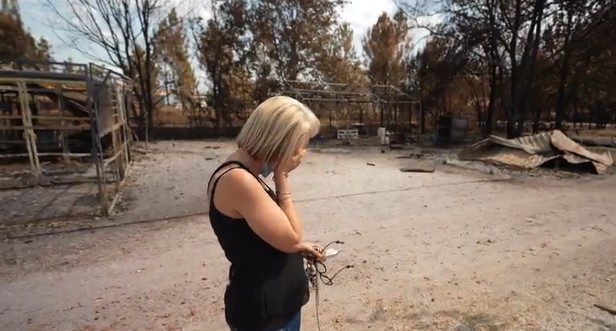
Europe is grappling with severe wildfires that have scorched landscapes, forced thousands to evacuate their homes, and placed France and Spain under maximum alert. As new heatwaves are anticipated, authorities fear the situation may worsen. In Bordeaux, France, a major hotspot, residents are facing widespread destruction, with homes and community spaces consumed by flames. The European Union estimates that approximately 435,000 hectares have burned this year in Western Europe, an area roughly three times the size of São Paulo. Over the past week alone, around 300,000 people were evacuated from their homes in France and Spain, the most affected countries. Firefighters and aerial crews are battling the blazes, with residents having mere minutes to flee. Volunteers are also actively involved in rescuing animals left behind, equipped with rescue gear and supplies. A Brazilian resident working at a campsite in the region had to evacuate due to smoke inhalation, while another Brazilian at Bordeaux airport witnessed the fires approach dangerously close. Experts attribute the severity to prolonged drought, high temperatures, and strong winds, exacerbated by rare 'fire clouds' that can generate lightning and further spread the flames. Temperatures near the fire can reach 200-300°C. An exhibition center in Bordeaux has been converted into a temporary shelter, providing psychological and social support to displaced individuals. Among those displaced is an 87-year-old man who survived World War II and the Algerian War, now seeking peace amidst the current crisis. The destruction has been documented by photographers, highlighting the climate crisis as a central concern.
The widespread wildfires across Europe underscore the escalating impact of climate change, manifesting as increased frequency and intensity of extreme weather events. The reliance on reactive firefighting measures, while necessary, highlights a systemic vulnerability to prolonged drought and heat conditions. The formation of 'fire clouds' represents a dangerous feedback loop, where intense heat generates conditions that further propagate the fire, posing a significant challenge to conventional suppression tactics. This situation necessitates a dual approach: immediate disaster response and long-term strategic investment in climate adaptation, including enhanced land management, early warning systems, and potentially, a re-evaluation of development in high-risk areas. The human and environmental toll serves as a stark indicator of the urgent need for global cooperation and policy shifts to mitigate greenhouse gas emissions and build resilience against future climate-induced disasters.
AI-generated to prompt reflection — not editorial opinion, not advice, not a statement of fact. How this works.
