Europe Battles Fourth Heatwave Since May Amidst Fires, Deaths, and Critical River Levels
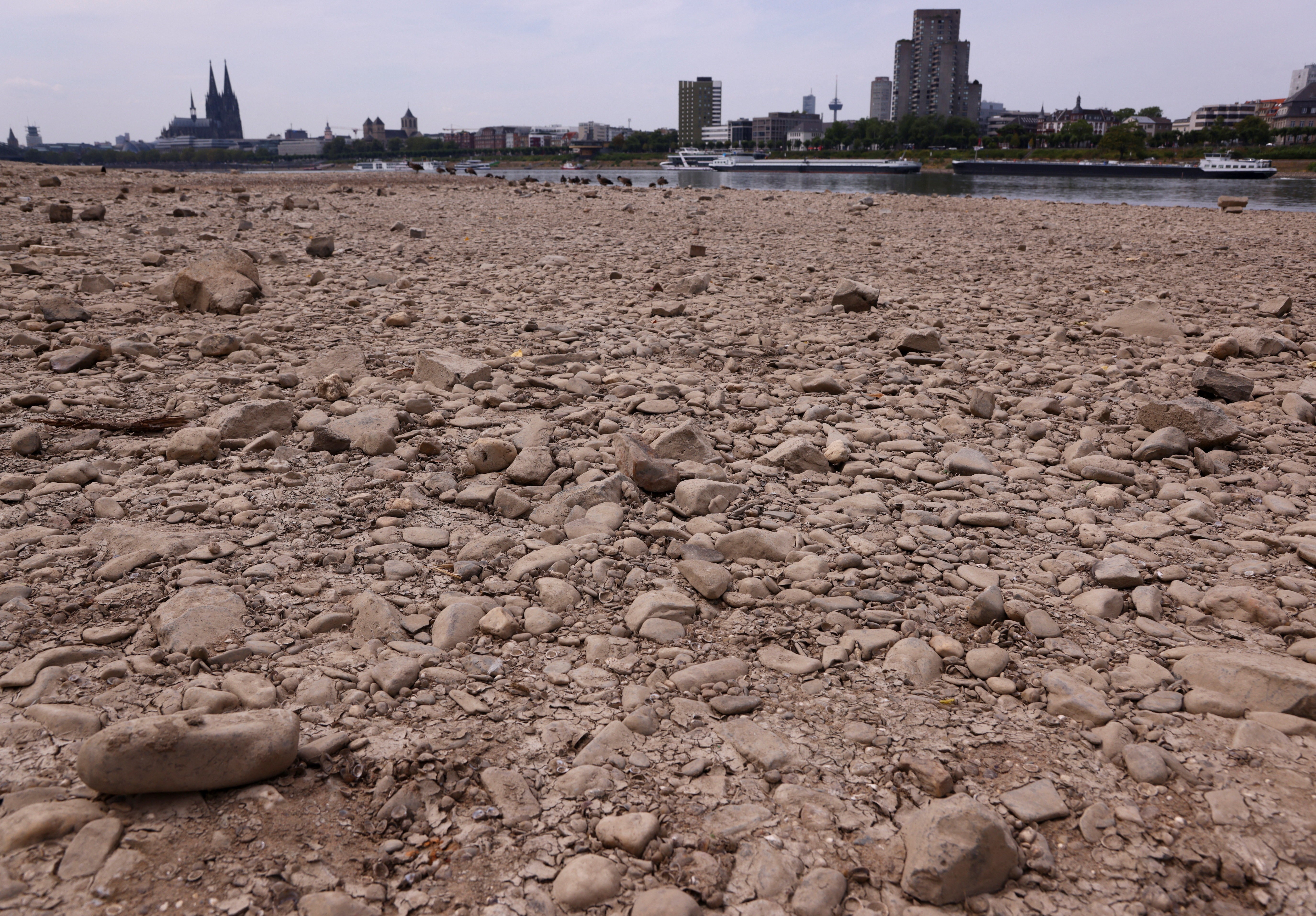
Europe is currently experiencing its fourth heatwave since May, characterized by severe wildfires, thousands of excess deaths, and critically low river levels impacting energy production. Maximum temperatures are expected to reach or exceed 40°C across the continent, with Spain, Portugal, and France being particularly affected. Spain anticipates temperatures of 42°C or higher, especially in the south, while Portugal faces high fire risks in its central, northern, and southern regions. France is forecasting 40°C in western areas before the heat shifts eastward, and even the UK is bracing for temperatures significantly above average, with southeastern England potentially reaching 35°C. Many British buildings, designed for winter warmth, are ill-equipped for prolonged heat.
France and Spain are actively fighting wildfires that have caused fatalities, destroyed homes, and necessitated large-scale evacuations. Portugal, Ireland, and the UK are also experiencing extreme conditions conducive to fire spread. The current heatwave is attributed to a persistent high-pressure system, which limits cloud formation and cold front passage, trapping hot, dry air. Warm winds from North Africa exacerbate the situation, and dry soil reduces evaporative cooling, leading to higher surface and air temperatures. This cycle of heat is amplified by dry vegetation, clear skies, and warm nights that prevent adequate recovery. While heatwaves are a natural climate phenomenon, global warming is increasing their frequency, intensity, and duration, making Europe one of the fastest-warming continents. Climate officials have linked these extreme events directly to the ongoing climate crisis driven by fossil fuel pollution.
The elevated risk of wildfires is a direct consequence of the extreme heat and lack of rainfall, which desiccate vegetation, turning it into highly flammable fuel. Although human activity and electrical faults often initiate fires, the dry conditions allow them to spread rapidly, often fanned by winds that also scatter embers. In France, Spain, and Portugal, extensive areas are under the highest fire danger warnings. Even countries like the UK and Ireland, less commonly associated with major wildfires, are experiencing heightened risks, with significant firefighting efforts underway in Scotland and Greece. This marks the fourth distinct heatwave period since late May, following episodes in mid-to-late June and early-to-mid July, underscoring a trend of increasingly severe and frequent extreme weather events across the continent.
The current European heatwave, exacerbated by wildfires and critically low water levels, highlights the escalating impacts of climate change. The confluence of persistent high-pressure systems, hot air advection from North Africa, and dry land conditions creates a potent feedback loop, intensifying temperatures and fire risks. This situation underscores the vulnerability of infrastructure and populations in regions not historically adapted to such extreme heat, particularly in the United Kingdom. The increasing frequency and intensity of these events, as noted by climate officials, point to systemic challenges in global climate change mitigation and adaptation strategies. As Europe warms faster than other continents, it faces a critical need to re-evaluate urban planning, building codes, and resource management, especially water, to build resilience against future climate-related disruptions. The economic and human costs associated with these recurring heatwaves and fires necessitate a proactive shift towards sustainable practices and robust climate action frameworks.
AI-generated to prompt reflection — not editorial opinion, not advice, not a statement of fact. How this works.
