Europe Battles Unprecedented Wildfires, Declared Worst Crisis Since WWII
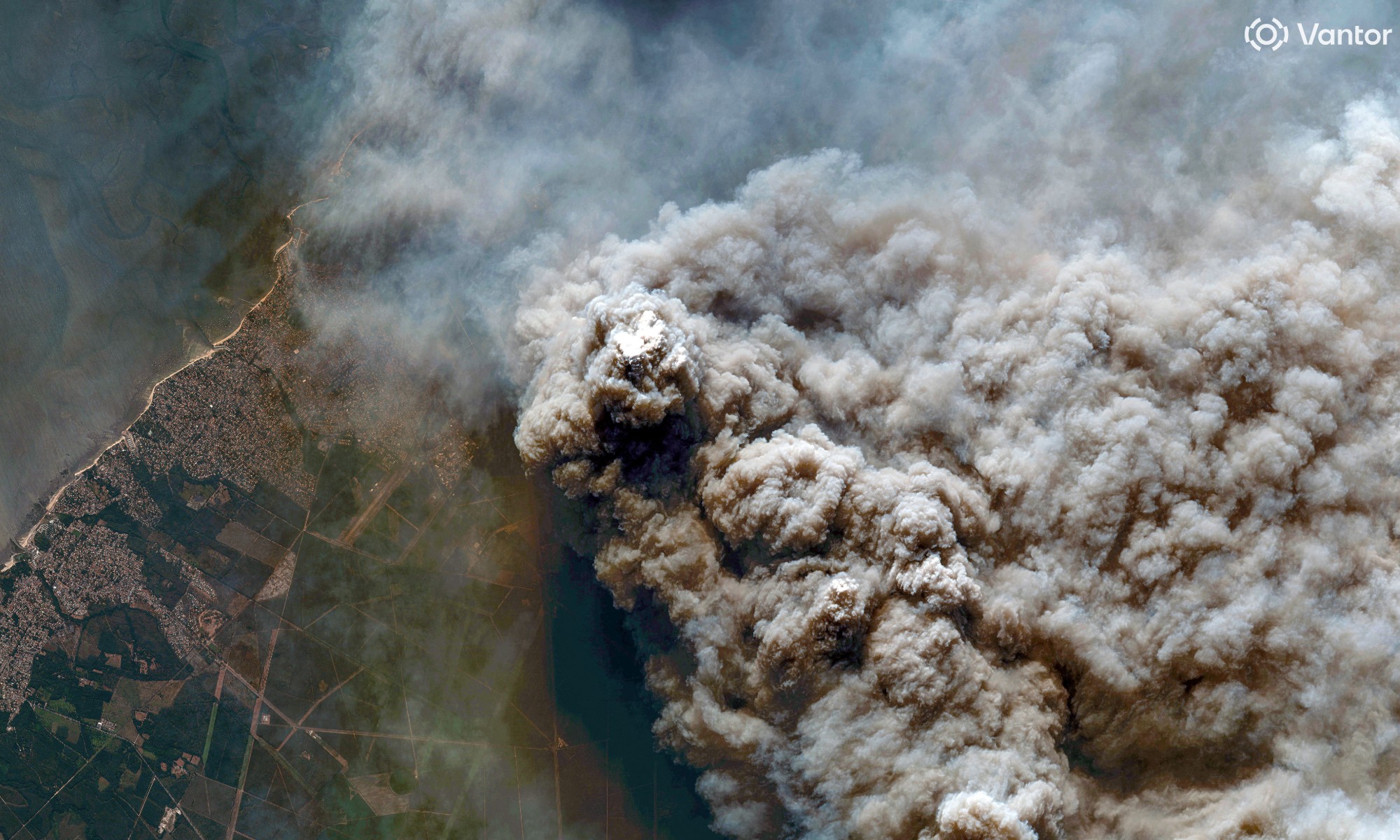
Europe is experiencing its most severe wildfire season on record, with France and Spain facing devastating blazes that have consumed vast tracts of land and forced mass evacuations. In Spain, over 150,000 hectares of vegetation have been lost to fires, while France has seen over 116,000 hectares destroyed since the start of the European summer in 2026. French President Emmanuel Macron described the situation as the most serious the country has faced since World War II, calling the fires "totally unprecedented." Approximately 220,000 people have been evacuated in France, and over 330,000 in Spain. Authorities are on high alert as new heatwaves are predicted, with temperatures expected to reach up to 42°C in southwestern France and 40°C in parts of Spain, exacerbated by dry winds. Experts attribute the increased intensity and scale of these fires to climate change, with one professor stating, "We have entered an era of fires that cannot be controlled." The energy released by some fires has been compared to that of atomic bombs, with calculations suggesting that fires covering significant areas can release energy comparable to the Hiroshima bomb. Despite some improvements, officials warn the fires are far from contained, with new outbreaks possible. Residents are mobilizing to assist emergency services, with some expressing deep concern for their homes and future, as the situation reportedly worsens annually. Even after flames are extinguished, fires can remain active underground for weeks or even years, posing a persistent threat.
The current European wildfire season, characterized by unprecedented scale and intensity, highlights the escalating impact of climate change on natural disasters. The comparison to atomic bombs, while illustrative of the immense energy released, underscores the need to analyze the systemic drivers rather than just the immediate destructive force. This includes examining land management practices, urban planning in fire-prone areas, and the effectiveness of international cooperation in disaster response. The recurring nature of these events suggests a need for long-term adaptation strategies that move beyond reactive containment towards proactive resilience building. Future policy must consider the increasing frequency and severity of such events, integrating climate science into all levels of governance and resource allocation to mitigate future risks and protect vulnerable communities.
AI-generated to prompt reflection — not editorial opinion, not advice, not a statement of fact. How this works.